
The Saffron Journal
Super Negin Saffron Price: What You're Actually Paying For in 2026
Super Negin Saffron price explained: what drives the cost, how it compares to other grades, and whether it's worth paying more. Full UK guide for 2026.
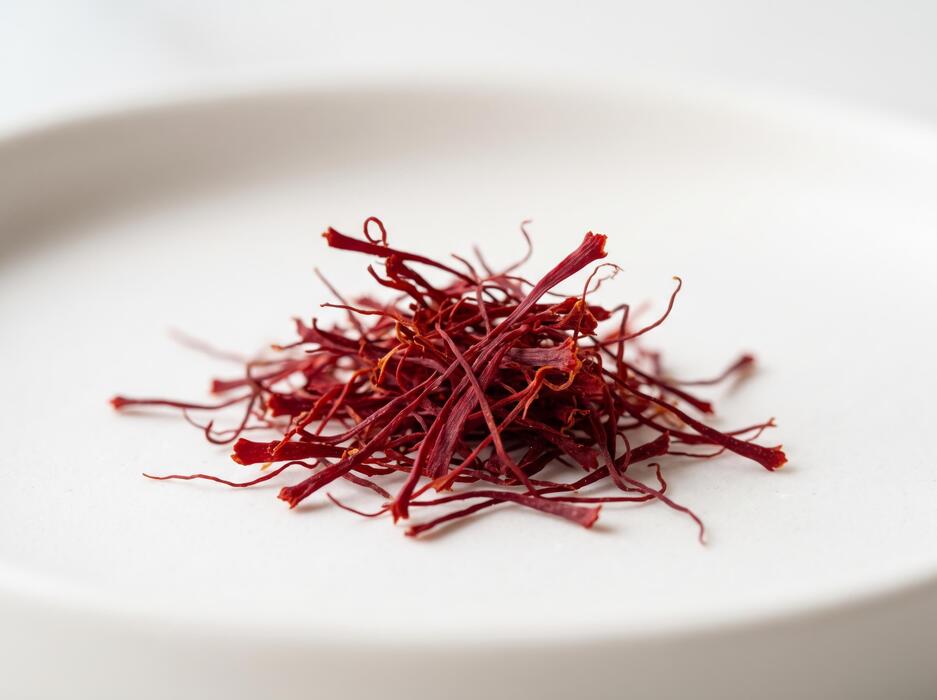
Super Negin Saffron price is one of the most searched questions in the spice world, and for good reason. You're looking at the most expensive spice on the planet, and within that category, Super Negin sits at the very top. So before you spend your money, it's worth understanding exactly what separates it from cheaper grades, what you're actually getting, and whether the cost makes sense for your kitchen or your health goals.
What Is Super Negin Saffron? Understanding the World's Highest Quality Grade
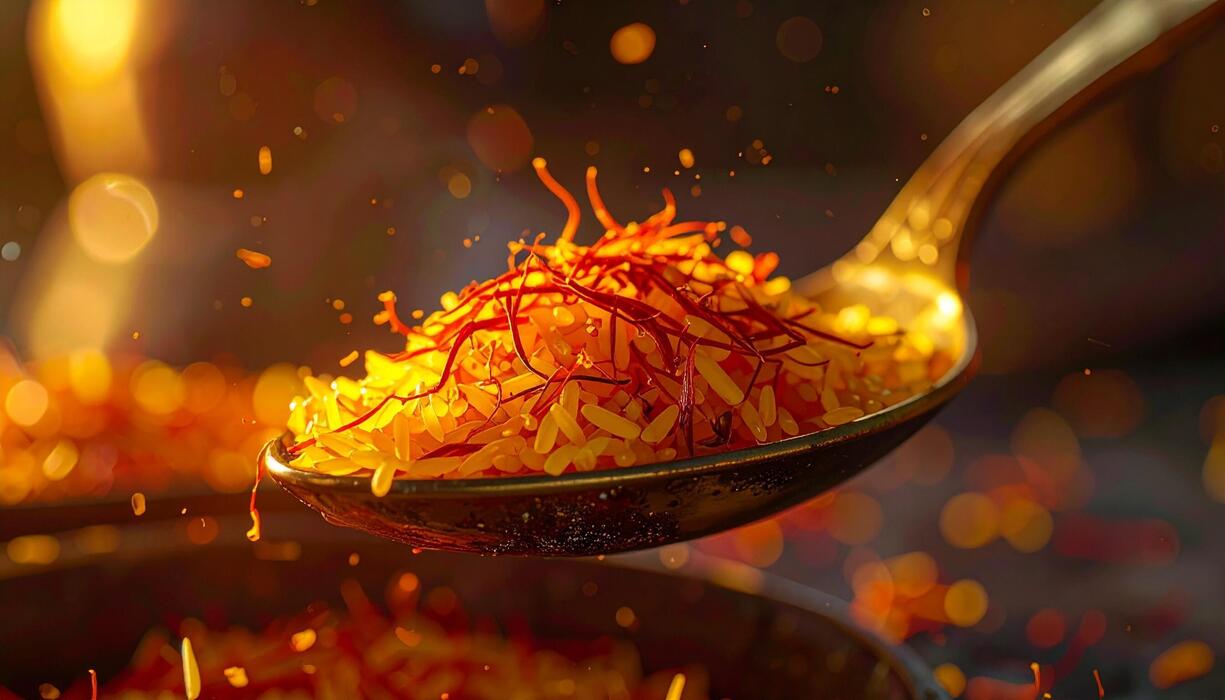
Super Negin is the highest recognised grade of saffron. Full stop. It refers to the stigma (the thread) of the Crocus sativus flower, harvested at its peak and sorted to an exceptionally strict standard. What makes it different from other grades isn't just marketing. It's measurable.
The threads are long, entirely deep red, and completely unbroken. There's no yellow or white at the base (those pale portions are the style, which carry far less of the active compounds that give saffron its colour, aroma, and biological activity). Super Negin is sorted by hand to remove any degraded, broken, or discoloured threads. The result is a product with a higher concentration of crocin (the pigment), safranal (the aroma compound), and picrocrocin (the bitter flavour compound) than any lower grade.
And that matters. Because those three compounds are what you're actually paying for every time you use saffron in cooking or steep it in warm water.
Super Negin Saffron Price Guide: Cost Per Gram in the UK
Here's the honest picture on Super Negin Saffron price. It's high. It's always been high. And there are specific reasons for that, none of which are arbitrary.
Saffron as a crop requires extraordinary labour. Each Crocus sativus flower produces just three stigmas. Those stigmas must be hand-picked, usually at dawn before the flowers open fully, and then carefully dried. It takes roughly 150,000 flowers to produce a single kilogram of dried saffron. For Super Negin specifically, the post-harvest sorting is even more intensive, because any thread that doesn't meet the standard is downgraded. That reduces the usable yield further.
In the UK market, Super Negin commands a significant premium over sargol, pushal, or bunch grades. The table below gives a general sense of how the grades stack up on quality factors (note: specific prices are not listed as they vary by supplier and quantity).
| Grade | Thread length | Red content | Yellow/white base | Potency |
|---|---|---|---|---|
| Super Negin | Long, unbroken | 100% deep red | None | Highest |
| Sargol | Shorter, may be cut | 100% red | None | High |
| Pushal | Variable | Mostly red | Some yellow present | Medium |
| Bunch (Daste) | Full flower style | Red plus yellow | Significant yellow | Lower |
The key takeaway from this comparison: Super Negin and Sargol are both fully red, but Super Negin wins on thread integrity and length. Pushal and Bunch grades include the yellow style, which dilutes potency and adds weight without adding value. You can explore the full breakdown of saffron grades at Vivid Saffron to understand exactly what each tier means.
Tip
When comparing Super Negin Saffron price across suppliers, always check the net weight of actual saffron threads. Some products include significant packaging weight or mixed grades. A lower headline price per gram can mean you're getting less usable saffron.
Super Negin vs Other Saffron Grades: Quality Differences Explained
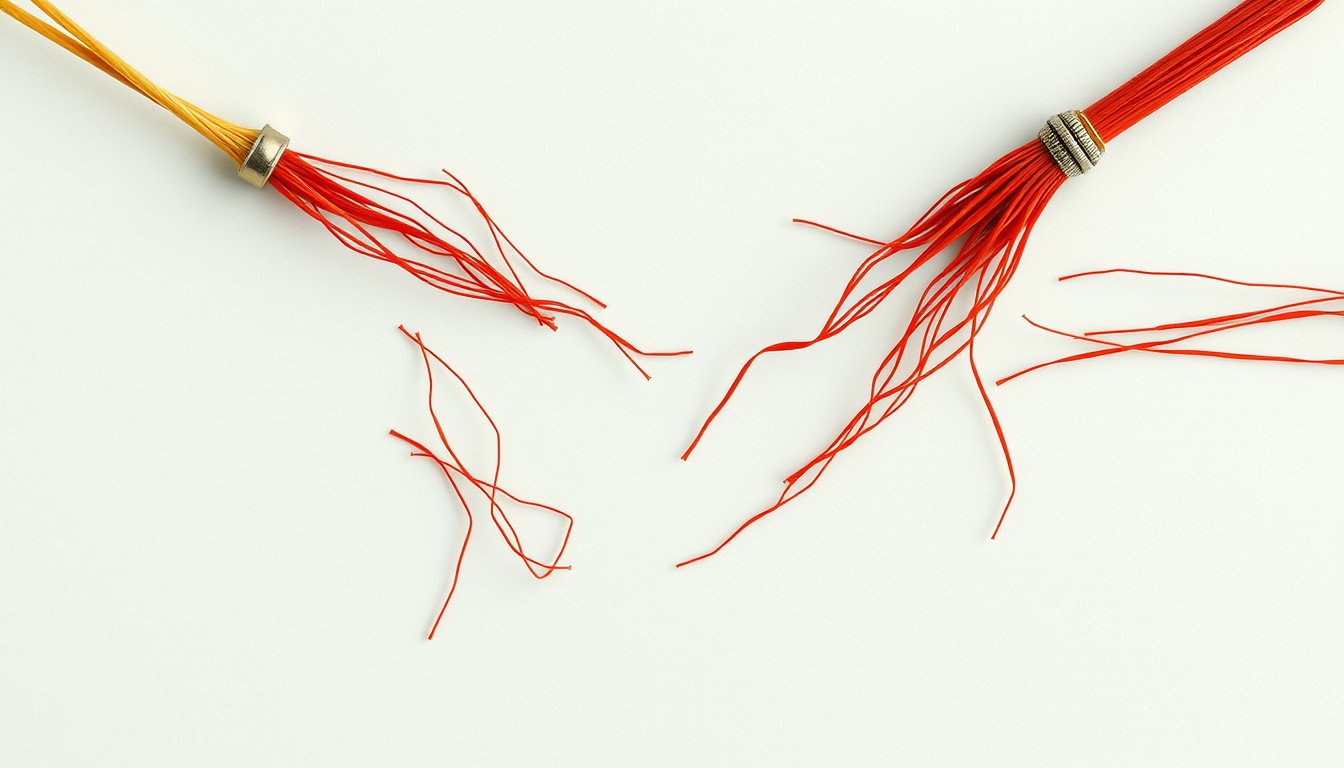
Understanding the grading system is the fastest way to make sense of why Super Negin Saffron price is what it is. The grades aren't just marketing tiers. They reflect genuinely different chemical compositions.
Sargol is the next grade down. It's still entirely red (no yellow style), and it's a perfectly good product for most cooking. The difference is that Sargol threads tend to be shorter, sometimes because they've been cut or broken during processing. Shorter threads can mean slightly lower crocin levels, though the gap with Super Negin isn't enormous.
Pushal includes some of the yellow style attached to the red stigma. That yellow portion contains far less crocin and safranal. So when you buy Pushal, a proportion of what you're paying for is essentially inert plant material. Not worthless, but not what you're really after.
Bunch saffron (Daste) is the least processed form. Whole flower styles, red and yellow together, often sold in bunches. It looks dramatic. But the actual saffron potency per gram is the lowest of all grades.
So the Super Negin Saffron price premium reflects a simple reality: you're getting more active compounds per gram, with less waste. For a spice you use in tiny quantities, that efficiency matters.
Where Super Negin Saffron Comes From
Geography matters enormously with saffron. The Crocus sativus plant thrives in specific climates: dry summers, cold winters, and well-drained soils. Historically, the finest saffron has come from Iran (particularly the Khorasan region) and, more recently, from Herat in Afghanistan.
Iranian saffron has centuries of cultivation history behind it. The climate and soil conditions there produce threads with exceptional crocin content. Afghan saffron, particularly from Herat, has grown in prominence over the past two decades and is now widely regarded as among the finest in the world. The hand-harvesting practices, often at dawn to preserve the volatile aromatic compounds, contribute directly to the quality of the final product.
At Vivid Saffron, sourcing is taken seriously precisely because origin affects quality in ways that are chemically measurable. The best Super Negin threads come from regions where the growing conditions, harvesting timing, and drying methods are all optimised together.
How to Identify Authentic Super Negin Saffron
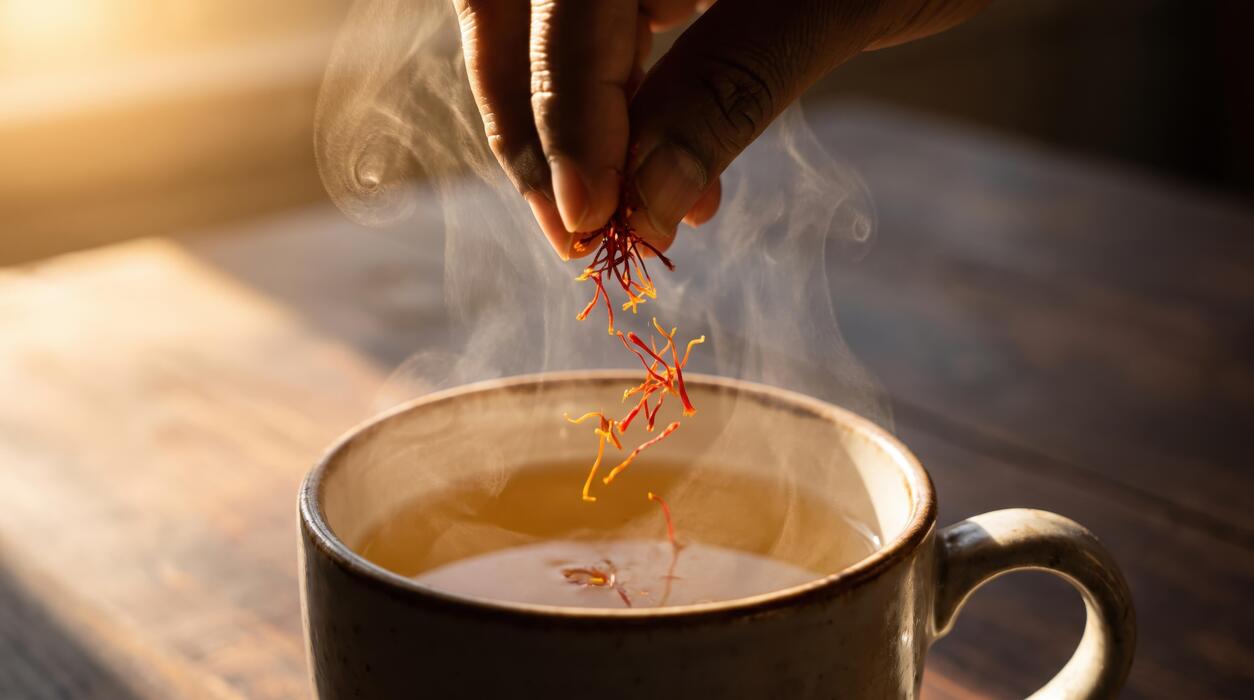
Fake saffron is a real problem. The global saffron market has a well-documented adulteration issue, with everything from dyed corn silk to safflower petals sold as the genuine article. Knowing how to spot authentic Super Negin is essential, especially when the Super Negin Saffron price you're paying is a premium one.
Here's what to look for:
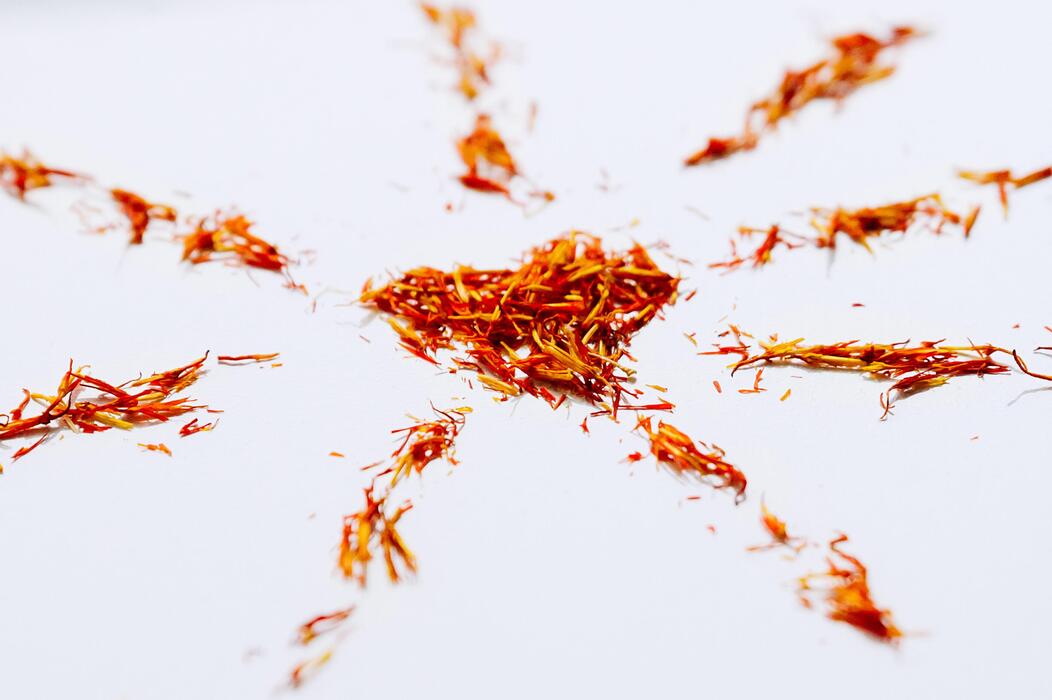
- Thread appearance: Genuine Super Negin threads are long, trumpet-shaped at one end, entirely deep red, and unbroken. Any yellow or white at the base is a sign of a lower grade, not necessarily fake, but not Super Negin.
- Aroma: Real saffron smells earthy, floral, and slightly metallic. It's distinctive and complex. If it smells sweet or like nothing much, be suspicious.
- The bloom test: Place a few threads in warm (not boiling) water. Genuine saffron releases colour slowly, over 10 to 15 minutes, producing a golden-amber hue. Fake saffron turns the water bright orange almost instantly, because it's been dyed. You can read our full guide on how to bloom saffron properly for a step-by-step method.
- The thread stays red: After blooming, the thread itself should still be red. If it turns white or pale, it was dyed.
- Texture: Genuine threads are slightly brittle when dry. They shouldn't feel waxy or oily.
Vivid Saffron also offers a bloom test guide that walks you through verifying authenticity at home. It's the most reliable check you can do without lab equipment.
Heads up
If a deal on Super Negin saffron looks suspiciously cheap compared to the market, it almost certainly is. Authentic Super Negin has a cost floor driven by the labour and yield realities of production. There's no shortcut that produces genuine quality at a fraction of the going rate.
Health Benefits of Super Negin Saffron: What the Evidence Shows
Saffron has been studied for its biological activity for decades, and the research base is growing. The active compounds, particularly crocin, crocetin, and safranal, have been investigated for their antioxidant properties and potential effects on mood and cognitive function.
A systematic review published on PubMed found that saffron supplementation showed promising effects on mood-related outcomes in clinical trials1. A further analysis of multiple randomised controlled trials concluded that saffron's bioactive compounds may support emotional wellbeing, though researchers note that larger, longer-term studies are still needed2.
What does this mean practically? Saffron used in cooking, particularly high-potency Super Negin, contributes crocin and safranal to your diet in small but meaningful amounts. It's not a substitute for medical treatment, and the quantities used in cooking are much smaller than those used in clinical studies. But as part of a varied, nutritious diet, it's a genuinely interesting spice from a nutritional standpoint.
For those interested in the specific research on saffron benefits for female health, there's a detailed breakdown of the evidence on that topic in our journal.
The NHS provides general guidance on micronutrients and dietary variety3, and saffron fits naturally into a balanced approach to eating well, particularly given its antioxidant profile.
Super Negin threads contain a higher concentration of crocin and safranal than any lower grade, meaning more of the compounds the research actually studies end up in your dish.
Culinary Uses for Super Negin Saffron: From Rice to Tea
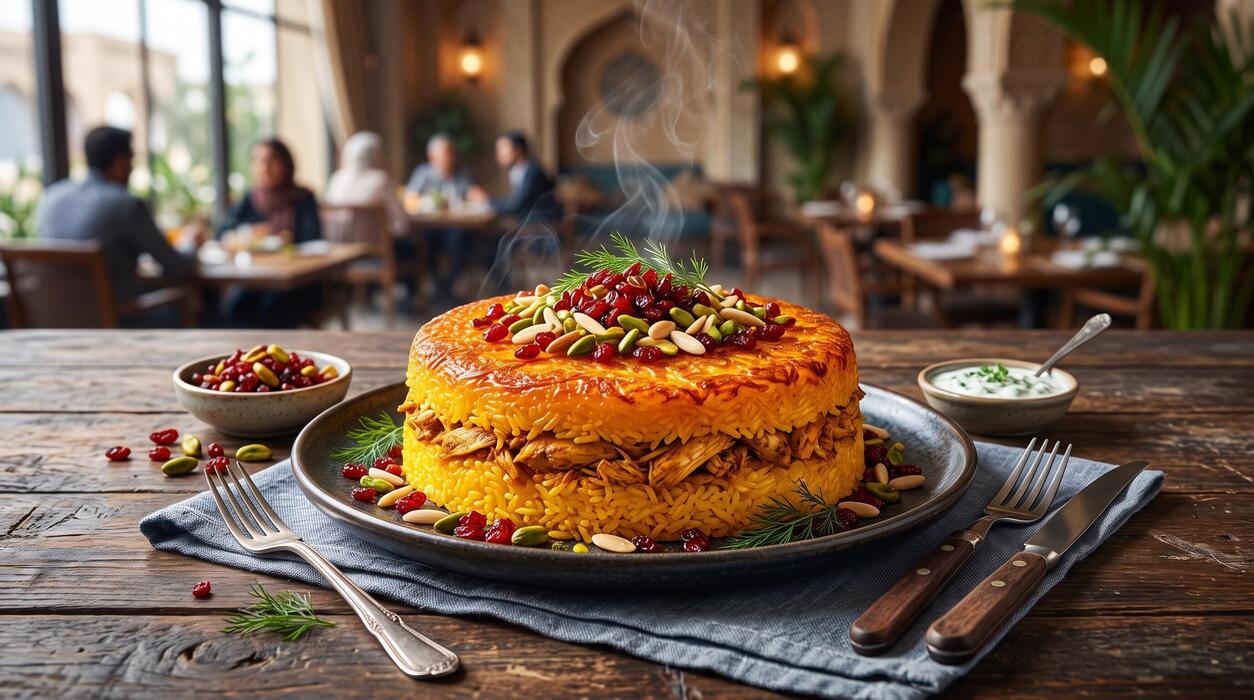
This is where Super Negin earns its price in the most practical sense. Because the threads are more potent, you use less. A small pinch, properly bloomed, is genuinely enough to colour and perfume a pot of rice for four people.
The classic applications include:
- Persian rice (tahdig): Bloomed Super Negin saffron stirred into the top layer of rice before steaming creates the iconic golden crust. Our guide to cooking light and fluffy saffron rice covers the technique in full.
- Paella: A small amount of Super Negin bloomed in warm stock gives the dish its characteristic colour and aroma far more effectively than lower-grade saffron.
- Risotto Milanese: The Italian classic relies on saffron's golden hue and delicate flavour. Super Negin delivers both more reliably.
- Saffron tea: A few threads in hot water with honey. Simple, warming, and a good way to explore the flavour without committing to a full dish.
- Baking: Scandinavian saffron buns (lussekatter), custards, and shortbreads all benefit from Super Negin's clean, bright colour.
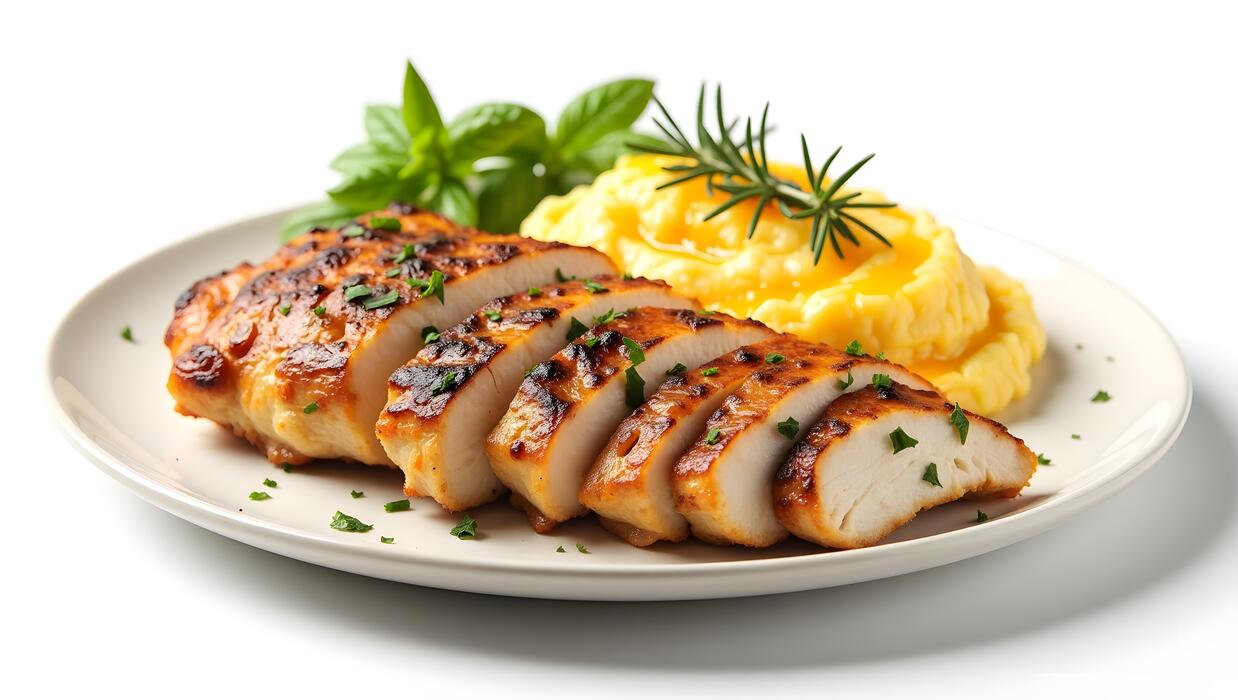
- Chicken dishes: Saffron-marinated chicken is a staple across Persian, Moroccan, and Indian cuisines. See our saffron chicken breast recipe for a practical starting point.
For a broader look at what saffron is used for across culinary and wellness contexts, our journal covers the full range.
How to Store and Preserve Super Negin Saffron for Maximum Potency
Paying a premium for Super Negin Saffron price and then storing it badly is a genuine waste. Saffron degrades when exposed to light, heat, moisture, and air. All four are enemies of those volatile aromatic compounds you paid for.
The correct storage approach is straightforward:
- Keep saffron in an airtight container, ideally glass or metal rather than plastic.
- Store it away from direct light. A dark cupboard or drawer works well.
- Keep it away from heat sources. Not next to the hob, not above the oven.
- Avoid the fridge if possible. Condensation when you take the container in and out can introduce moisture.
- Use within 12 to 18 months of opening for best potency, though properly stored saffron can last longer without becoming unsafe.
Properly stored Super Negin retains its colour strength and aroma far longer than poorly stored lower-grade saffron. The investment in quality is only worthwhile if you protect it.
Is Super Negin Saffron Worth the Price? Quality vs Cost Analysis
Honestly? For most people who cook with saffron regularly, yes. Here's the practical maths of it.
Because Super Negin is more potent per thread, you use less to achieve the same result. A dish that might need a generous pinch of pushal saffron can often be achieved with a smaller pinch of Super Negin. Over time, the higher cost per gram is partially offset by lower usage per dish.
There's also the consistency factor. Lower grades can be variable. One batch might be more potent than another, depending on how much yellow style is included or how the threads were processed. Super Negin, sourced from a reputable supplier, is far more consistent. You know what you're getting each time.
And then there's the question of what you're actually cooking. For everyday weeknight meals where saffron is a minor note, a mid-range grade might be perfectly adequate. But for a dish where saffron is the centrepiece, like a proper Persian tahdig or a celebratory paella, the visual and flavour difference between Super Negin and a lower grade is noticeable. Proper noticeable.
At Vivid Saffron, the Super Negin offering is selected specifically for thread integrity and colour strength. If you want to see exactly what's available, the saffron shop has options across different quantities so you can start with a taster before committing to more.
Note
If you're unsure how much saffron you'll actually use, Vivid Saffron's guide on how far a gram goes breaks down exactly how many dishes you can expect from a given quantity. Useful before you buy.
This article is for information only and is not medical advice. Speak to your GP before making dietary changes if you are pregnant, breastfeeding, taking medication or managing a health condition.
References
Questions
What makes Super Negin Saffron price higher than other grades?
Super Negin is the top tier of saffron grading. The threads are longer, fully red with no yellow base, unbroken, and intensely aromatic. That level of hand-sorting and quality control takes far more labour than lower grades, and the yield from each harvest that meets the standard is smaller. You're paying for consistency, potency, and colour strength that cheaper grades simply can't match.
How much does Super Negin Saffron cost per gram in the UK?
Super Negin Saffron price per gram in the UK typically sits at a premium over standard sargol or pushal grades. The exact figure varies by supplier and quantity, but you should expect to pay noticeably more per gram than you would for mixed or lower-grade threads. Buying from a reputable specialist like Vivid Saffron ensures you're getting what you pay for.
Is Super Negin Saffron worth the higher price?
For most serious cooks and anyone using saffron for its depth of flavour and colour, yes. Because Super Negin threads are more potent, you typically need less per dish, which offsets some of the higher cost. The visual impact in rice dishes, broths, and baked goods is also noticeably better than with lower grades.
How can I tell if Super Negin Saffron is authentic?
Authentic Super Negin threads are long, entirely deep red, and unbroken, with no yellow or white at the base. When bloomed in warm water, real saffron releases a slow golden colour over 10 to 15 minutes rather than instantly turning the water bright orange. Instant colouring is a strong sign of artificial dye. The bloom test is the most reliable home check.
What are the best culinary uses for Super Negin Saffron?
Super Negin works brilliantly in Persian rice dishes like tahdig, Spanish paella, Moroccan tagines, risotto Milanese, and saffron-infused teas or milk. Because the threads are highly potent, a small pinch bloomed in warm water is enough to perfume and colour an entire pot. It also works well in baking, particularly in Scandinavian saffron buns and custards.
Good things begin with a few threads