
The Saffron Journal
Super Negin Saffron: What It Is, How to Spot It, and Why It Matters
Super Negin Saffron is the world's finest grade. Learn how it's graded, how to spot fakes, its flavour profile, health considerations, and culinary uses.
Most people know saffron is expensive. Fewer know that not all saffron is the same, and that the difference between a mediocre thread and a genuine Super Negin Saffron strand is the difference between a flat, slightly bitter dish and something with real depth, colour, and aroma. So before you reach for any red threads, it's worth understanding exactly what you're looking at and why it matters.
What Is Super Negin Saffron? Understanding the World's Finest Grade
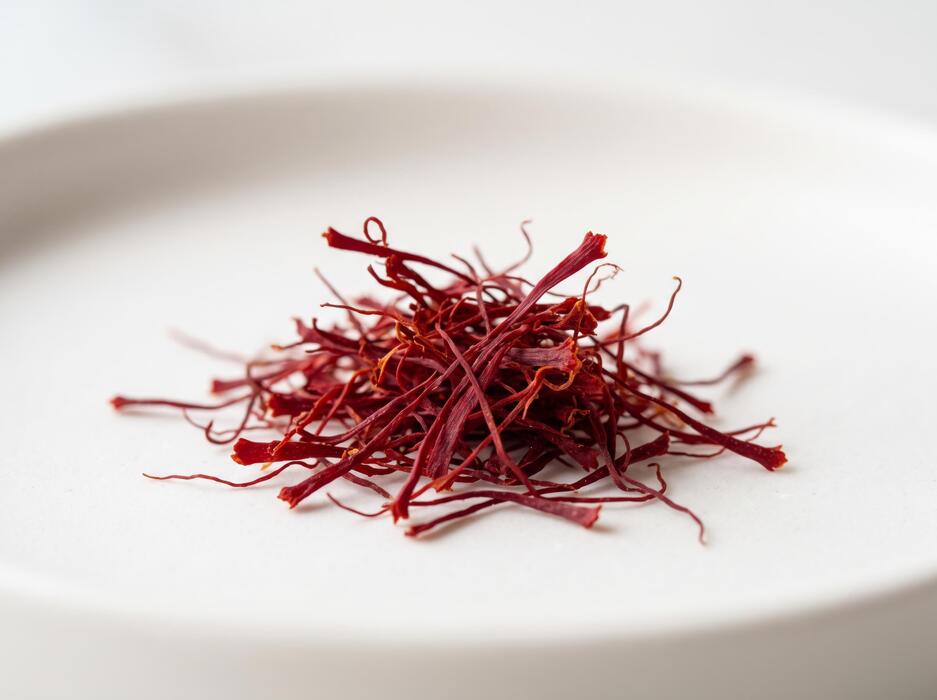
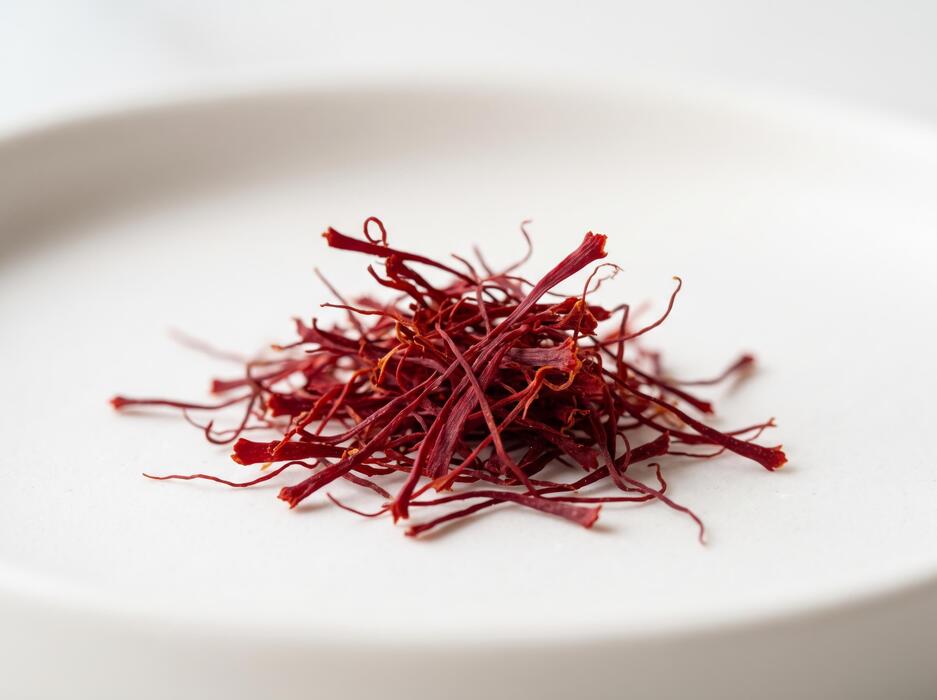
Super Negin Saffron is the highest recognised grade of saffron in the world. It's defined by specific physical characteristics: long, unbroken stigmas (the thread-like part of the crocus flower) that are uniformly deep crimson red, with absolutely no yellow or orange style attached at the base. Every thread should be intact. No broken filaments. No debris. Just clean, vivid red.
The grading hierarchy for saffron runs, from highest to lowest: Super Negin, Negin, Sargol, and Pushal. Each step down the ladder represents a compromise on thread length, uniformity, or colour concentration. Super Negin sits at the top because it demands the most rigorous selection. Only the most intact, most uniformly coloured stigmas make the cut.
Here's the thing: the visual quality of the thread isn't just aesthetic. Longer, unbroken stigmas retain more of the volatile compounds responsible for saffron's flavour and colour, including crocin (the primary colourant), picrocrocin (responsible for bitterness and taste), and safranal (the key aromatic compound). When you're working with Super Negin, you're getting a higher concentration of all three.
The Origins of Super Negin: Where It Actually Comes From
Super Negin Saffron is produced in a very limited number of places. Iran has historically been the dominant producer, responsible for the vast majority of the world's saffron supply. Afghanistan, particularly the Herat region, has become an increasingly significant source over the past two decades, with production there growing substantially as farmers moved away from poppy cultivation.
The saffron crocus (Crocus sativus) requires very specific growing conditions: well-drained, alkaline soil, cold winters, hot dry summers, and a sharp temperature drop in autumn to trigger flowering. These conditions exist in a narrow band of geography. Not every region that grows saffron produces Super Negin grade material. The grade depends as much on the post-harvest handling, the drying process, and the sorting as it does on the growing conditions.
Saffron is hand-harvested at dawn, when the flowers are still closed, to protect the delicate stigmas from heat and damage. Each flower contains just three stigmas. A single kilogram of dried saffron requires somewhere in the region of 150,000 to 200,000 flowers, all picked by hand. That's why the finest grades are so scarce. And so valued.
Note
Iran currently operates under international trade embargoes that affect how Iranian saffron reaches certain markets. If you're buying in the UK, it's worth checking the declared origin of your saffron and ensuring your supplier has clear, transparent sourcing.
How Super Negin Differs From Standard Negin and Lower Grades
The differences between grades aren't just marketing language. They're measurable and they affect your cooking.
| Grade | Thread Description | Colour Yield | Best For |
|---|---|---|---|
| Super Negin | Long, unbroken, all-red stigmas, no style | Highest | Premium dishes, gifting, maximum flavour |
| Negin | Long stigmas, minimal style, slight variation | Very high | Everyday premium cooking |
| Sargol | Short red tips only, no style | High | General cooking, soups, stews |
| Pushal | Full stigma plus yellow/orange style | Moderate | Budget cooking, bulk applications |
Standard Negin is close to Super Negin but allows for slightly shorter threads or minor inconsistencies in uniformity. Sargol is all-red but cut short, so the threads are more compact. It's still a quality product, just with less thread length and therefore less surface area releasing flavour during blooming. Pushal includes the yellow style, which dilutes the colourant concentration and adds a slightly more bitter, less complex flavour profile.
For a deeper look at how these grades compare, see our saffron grades guide, which breaks down exactly what you're getting at each level.
Identifying Authentic Super Negin Saffron: Quality Markers You Can Test at Home
Counterfeit and adulterated saffron is a genuine problem. Dyed corn silk, safflower petals, and low-grade threads artificially coloured with synthetic dyes have all been found in the market. Given the value of genuine Super Negin Saffron, the incentive to adulterate is obvious.
Here are the key markers of authentic Super Negin:
- Thread shape: Genuine stigmas are trumpet-shaped at one end, tapering to a thin filament. Uniform, cylindrical threads are suspicious.
- Colour: Deep, uniform crimson red with no yellow or orange present. Not orange. Not pale red. Crimson.
- Smell: Earthy, floral, slightly medicinal. Not sweet, not synthetic, not odourless.
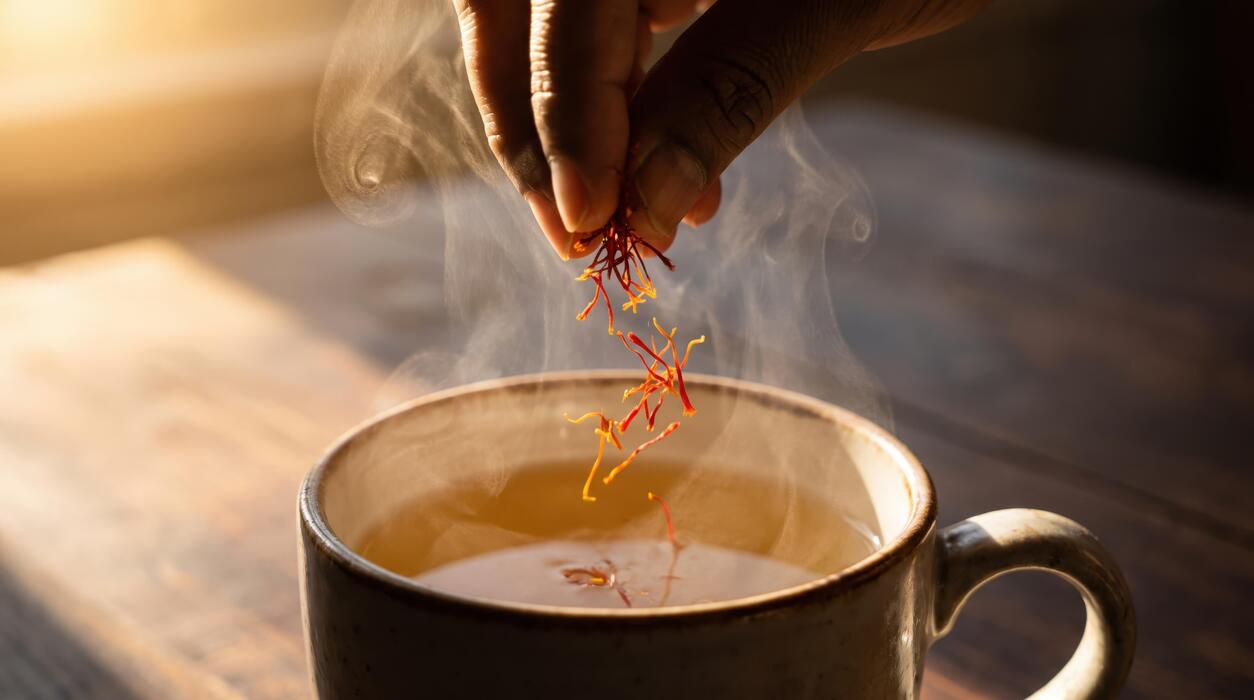
- The bloom test: Steep a few threads in warm (not boiling) water. Authentic saffron releases colour slowly over several minutes, producing a rich golden-yellow liquid. Fake saffron bleeds colour almost instantly because it's been dyed.
- Taste: Slightly bitter with a complex, lingering finish. If it tastes purely sweet, be suspicious.
The bloom test is the most accessible home check. It won't give you a lab result, but it will catch most fakes. For more detail on how to do this properly, see our guide to the bloom test for saffron authenticity.
Heads up
If a seller's price seems remarkably low for what they're claiming is Super Negin grade, treat that as a red flag. Genuine Super Negin requires enormous labour to produce and sort. It cannot be cheap. If it is, something is wrong.
Flavour Profile and Aroma: The Sensory Experience of Super Negin Saffron
Super Negin Saffron has one of the most complex flavour profiles of any spice. It's not simply
References
- Saffron (Crocus sativus) and major depressive disorder: a meta-analysis of randomised clinical trialspubmed.ncbi.nlm.nih.gov
- Crocin and safranal: pharmacological properties and possible therapeutic effectspubmed.ncbi.nlm.nih.gov
- Saffron supplementation for cognitive function: a systematic reviewpubmed.ncbi.nlm.nih.gov
Questions
What exactly is Super Negin Saffron and how is it graded?
Super Negin Saffron is the highest recognised grade of saffron, defined by long, unbroken red stigmas with no yellow or orange style attached at the base. Grading is based on physical characteristics: thread length, uniformity, colour intensity, and the absence of broken filaments. It sits above standard Negin, Sargol, and Pushal in the quality hierarchy. Vivid Saffron stocks Super Negin specifically because these physical markers correlate directly with the richest colour and most complex flavour.
How can I tell if Super Negin Saffron is authentic versus counterfeit?
Authentic Super Negin Saffron threads are deep crimson red with a trumpet-shaped tip, long and unbroken, and they release a slow golden bloom when steeped in warm water. Fakes or low-grade impostors often bleed colour almost instantly (a sign of added dye), have yellow or orange threads mixed in, or smell synthetic rather than earthy and floral. The bloom test is one of the most reliable home checks: place a few threads in warm (not boiling) water and watch how the colour develops over several minutes.
What are the health benefits and potential risks of consuming Super Negin Saffron?
Research suggests saffron may support mood, cognitive function, and eye health, with several published studies pointing to its active compounds crocin and safranal. However, saffron is not a medicine and should not replace professional medical advice. At very high doses it can cause side effects including nausea, dizziness, or uterine contractions, making it unsuitable in large quantities during pregnancy. Always speak to your GP before adding saffron regularly to your diet if you are on medication or managing a health condition.
What is the difference between Super Negin, Negin, Sargol, and Pushal saffron?
Super Negin Saffron has the longest, most uniform red stigmas with zero yellow style. Standard Negin is similar but allows slightly shorter or less uniform threads. Sargol consists of just the red tips, cut short, so threads are more compact but still high quality. Pushal includes the full stigma plus a portion of the yellow style, making it lower in colourant concentration. The grade you choose affects colour yield, flavour intensity, and how far a given quantity goes in cooking.
How should Super Negin Saffron be stored and what is its shelf life?
Super Negin Saffron should be kept in an airtight container, away from light, heat, and moisture. A cool, dark cupboard or pantry works well. Properly stored, it retains its potency for up to two years, though the flavour and colour are at their peak within the first twelve months. Avoid the fridge unless your kitchen is very warm, as condensation can degrade the threads. Never store saffron near strong-smelling spices, as the delicate threads absorb odours easily.
What are the best culinary uses for Super Negin Saffron?
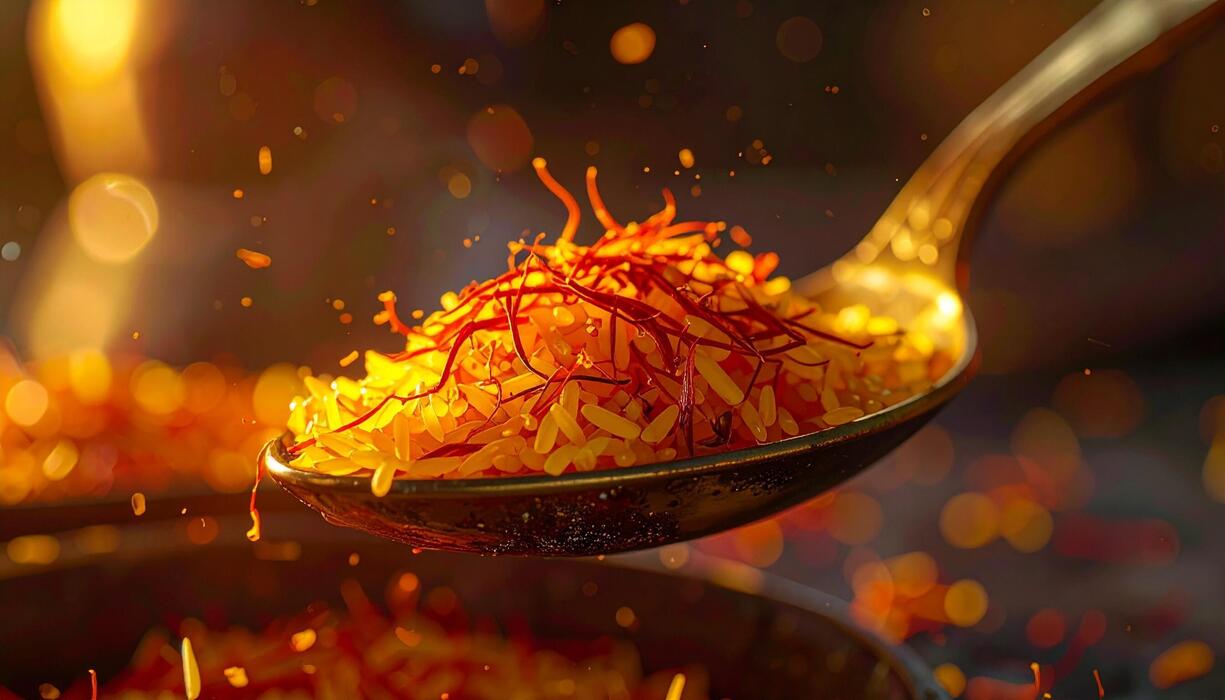
Super Negin Saffron works brilliantly in rice dishes, paella, risotto, and Persian stews, where its golden colour and complex flavour can fully develop. It also shines in baked goods, custards, and saffron-infused teas or syrups. Because the threads are so potent, blooming them first in warm water or milk before adding to a dish gives you the best colour and flavour distribution. See our kitchen section for recipe inspiration using this grade of saffron.
Good things begin with a few threads