

The Saffron Journal
Saffron Chicken Breast Recipe: The Complete Guide to Getting It Right
Master the perfect saffron chicken breast recipe with our complete guide. Learn infusion techniques, Persian methods, flavour pairings and step-by-step instructions.
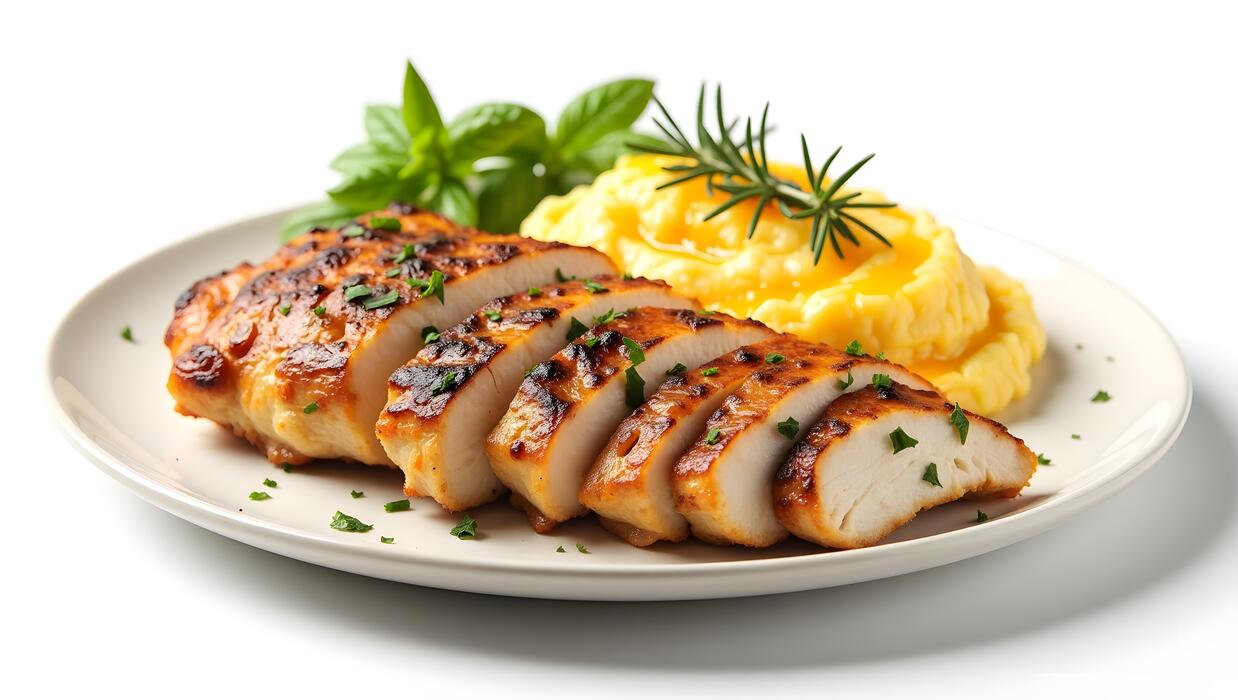
There's a moment when you lift the lid and the kitchen fills with that unmistakable golden steam. That's what a proper saffron chicken breast recipe does to a room. It stops people mid-conversation. It makes everyone suddenly very interested in what's for dinner. And the brilliant thing? It's far simpler to pull off than it looks or smells.
What Is Saffron Chicken and Why Is It So Popular?
Saffron chicken is exactly what it sounds like: chicken cooked with saffron, the world's most prized spice. But calling it that almost undersells it. The saffron doesn't just add colour (though that deep, jewel-like gold is genuinely stunning). It adds a flavour that's earthy, subtly sweet and faintly floral, a flavour that's genuinely hard to describe until you've tasted it.
The dish has roots across the Middle East, Persia and the Mediterranean. Persian joojeh kabab is one of the most famous versions, marinating chicken in saffron, lemon and onion before grilling over charcoal. Italian Milanese traditions use saffron in cream sauces. Both are brilliant in different ways.
Chicken breast has become the most popular cut for home cooks making a saffron chicken breast recipe, largely because it's lean, quick to cook and widely available. Thighs are more traditional in Persian cooking (more fat, more flavour, more forgiving) but breasts work beautifully when treated with care.
Essential Ingredients for Authentic Saffron Chicken Breast
You don't need a long shopping list. That's one of the things I love most about this dish. The ingredient list is short, but every item earns its place.
- Saffron threads: the star of the show. A good pinch, around 15 to 20 threads, is enough for four portions.
- Chicken breasts: choose free-range where possible for better flavour and texture.
- Lemon: both juice and zest. It lifts the saffron and keeps the chicken fresh-tasting.
- Garlic: two or three cloves, crushed. Non-negotiable.
- Olive oil: for the marinade and cooking. A decent one makes a difference.
- Onion: finely grated or blended for Persian-style recipes. It tenderises the meat.
- Yogurt: optional but excellent. Full-fat Greek yogurt in the marinade keeps the chicken incredibly moist.
- Salt and black pepper: season generously.
- Fresh parsley or coriander: to finish. Brightness matters at the end.
That's it. Seriously. No obscure ingredients, no specialist equipment. Just quality components treated well.
Tip
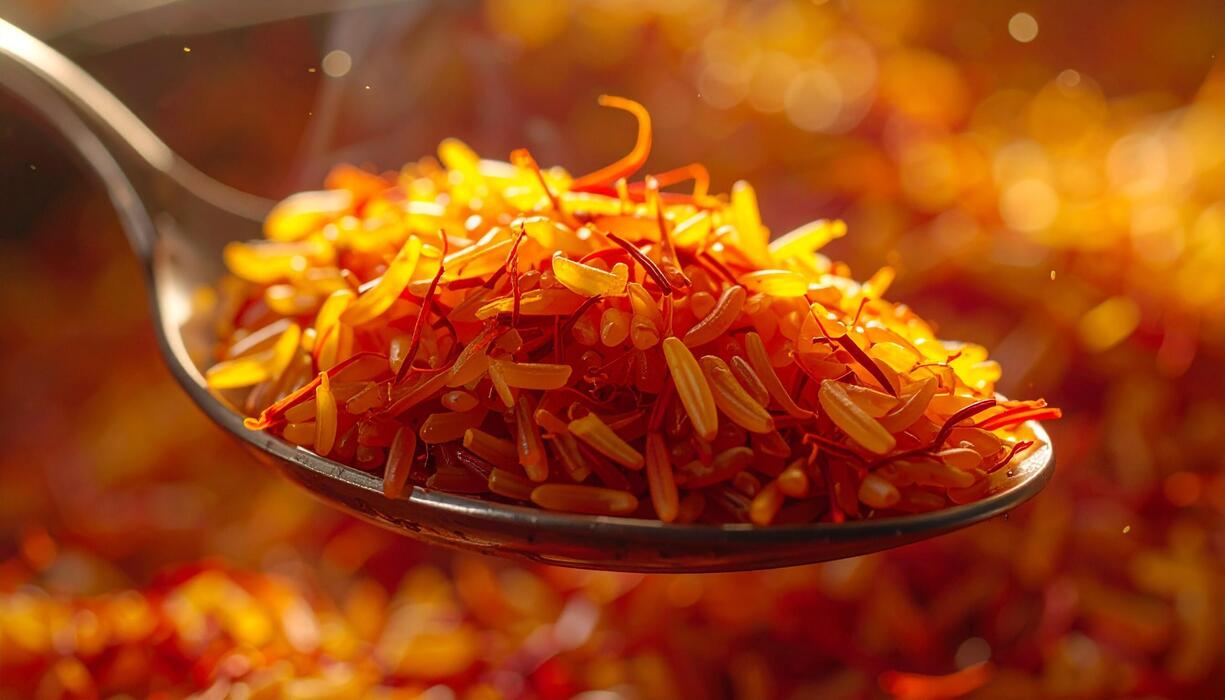
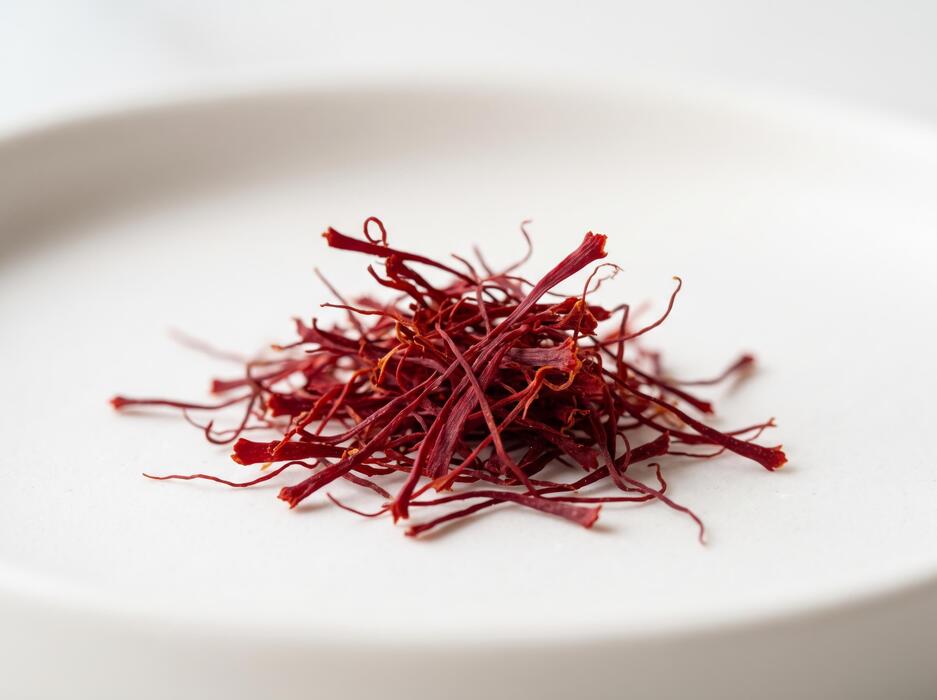
Always buy saffron threads rather than powder if you can. Threads are easier to assess for quality and harder to adulterate. At Vivid Saffron, we source threads that give you that deep crimson colour and maximum bloom, which means more flavour per pinch.
How to Infuse Saffron: Techniques and Best Practices
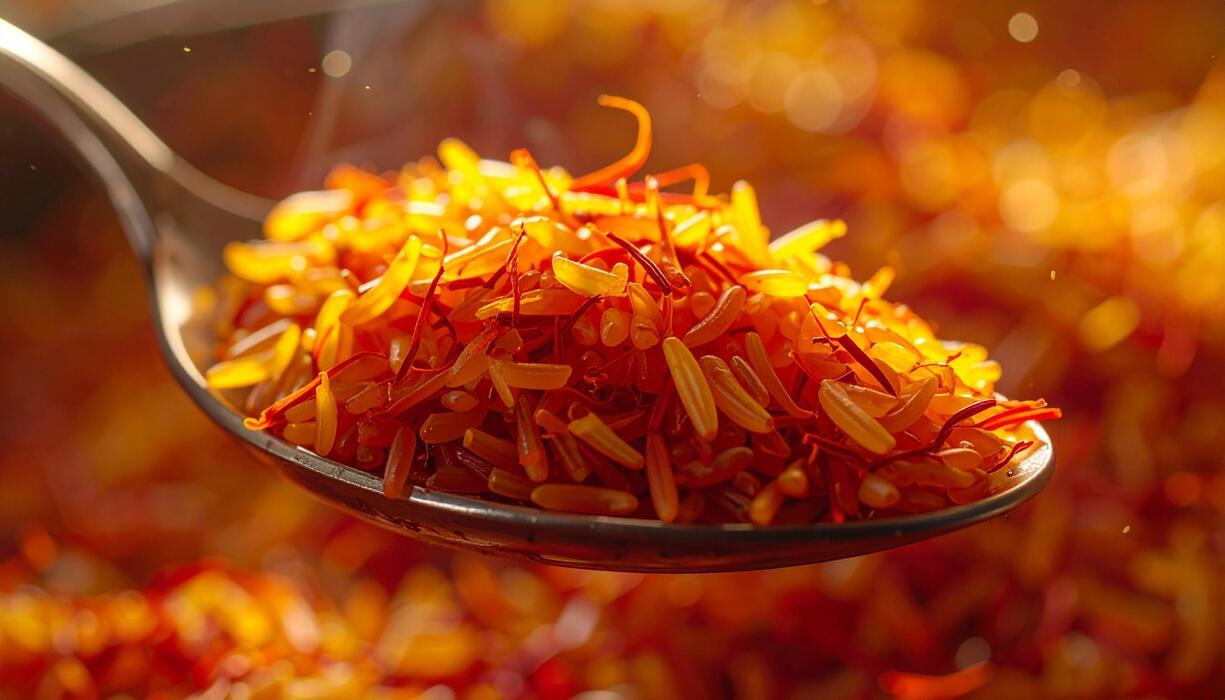
Here's the thing: most people skip this step or rush it, and that's exactly why their saffron dishes end up pale and underwhelming. Proper infusion is the single biggest difference between a good saffron chicken breast recipe and a great one.
The process is called blooming (sometimes called steeping), and it's straightforward once you know it. Our guide to how to bloom saffron properly covers this in full detail, but here's the core method:
- Place your saffron threads in a small mortar and crush them gently with a pestle. You're not grinding them to dust, just breaking them up a little to release more surface area.
- Transfer the crushed threads to a small bowl or cup.
- Pour over two to three tablespoons of warm water. The water should be hot but not boiling, around 70 to 80 degrees Celsius. Boiling water can damage the delicate aroma compounds.
- Leave to steep for a minimum of 15 minutes. Twenty is better. Thirty is ideal if you're not in a rush.
- The liquid should turn a deep, glowing amber-orange. That's your saffron infusion.
You can also bloom saffron in warm milk (lovely for creamy dishes), warm stock (brilliant for braises) or even warm white wine. Each carrier adds something slightly different to the final dish.
Heads up
Never add dry saffron threads directly to a hot pan or sauce without blooming first. The heat destroys the volatile compounds before they can infuse into your food. You'll get colour but very little flavour.
Traditional Persian Saffron Chicken: A Beginner's Guide
Persian saffron chicken is the blueprint that most modern recipes draw from, even when they don't say so. The method is centuries old and genuinely foolproof once you understand the logic behind it.
The key is the marinade. In Persian cooking, chicken is marinated in a mixture of bloomed saffron, lemon juice, grated onion, olive oil and salt. Sometimes yogurt is added. The marinade does two things: it flavours the meat deeply, and the acidity from the lemon and onion begins to tenderise the protein before it ever touches heat.
Marinating time matters. An hour is the minimum. Overnight in the fridge is genuinely transformative. The saffron colour penetrates the meat, and when you cook it, you get that glorious golden exterior without any artificial colouring.
Traditional Persian saffron chicken is grilled, often over charcoal, which adds a smoky dimension that plays beautifully against the floral saffron. But it works brilliantly in a hot griddle pan or under a domestic grill too.
Tuscan vs Persian Saffron Chicken: Key Differences
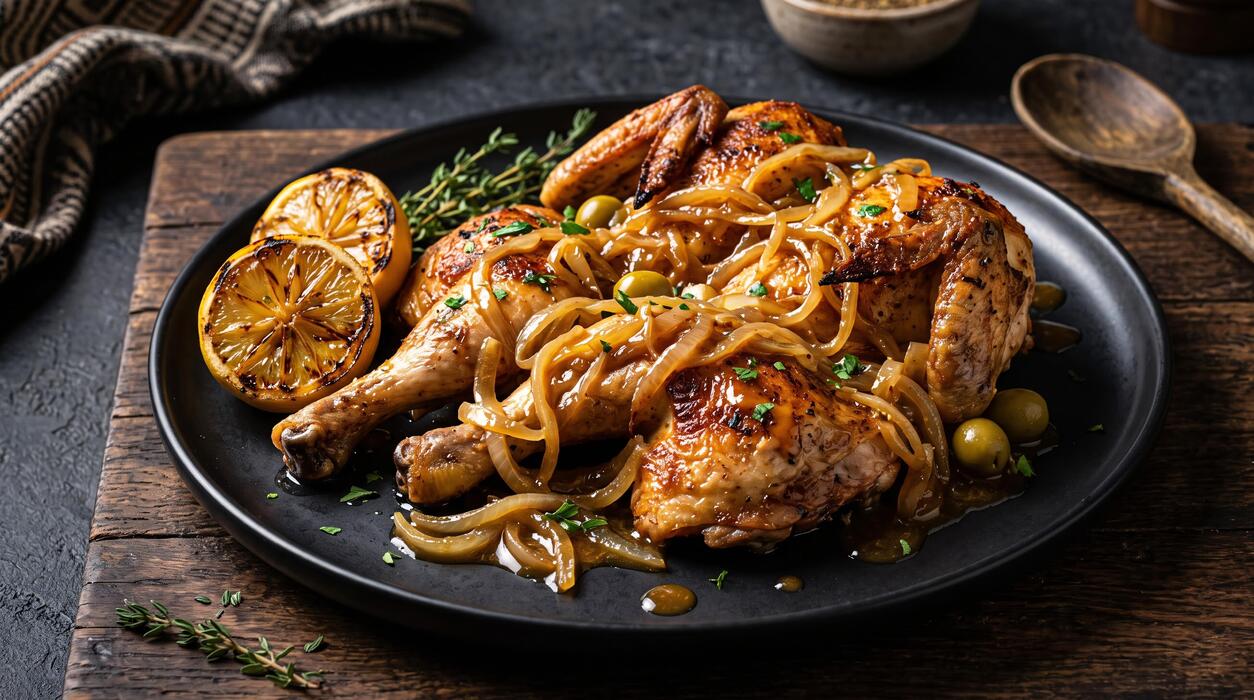
| Style | Base Flavours | Cooking Method | Texture | Best For |
|---|---|---|---|---|
| Persian | Lemon, onion, saffron, yogurt | Grilled or baked | Charred exterior, juicy interior | Summer grilling, weeknight dinners |
| Tuscan | Cream, garlic, spinach, saffron | Pan-fried then simmered | Tender, saucy, rich | Autumn and winter, comfort meals |
The Persian version is lighter, more citrus-forward and works brilliantly in warm weather. The Tuscan version is richer, creamier and absolutely ideal when you want something deeply comforting. Both are excellent saffron chicken breast recipes in their own right. Neither is better. They're just different moods.
Step-by-Step Saffron Chicken Breast Recipe
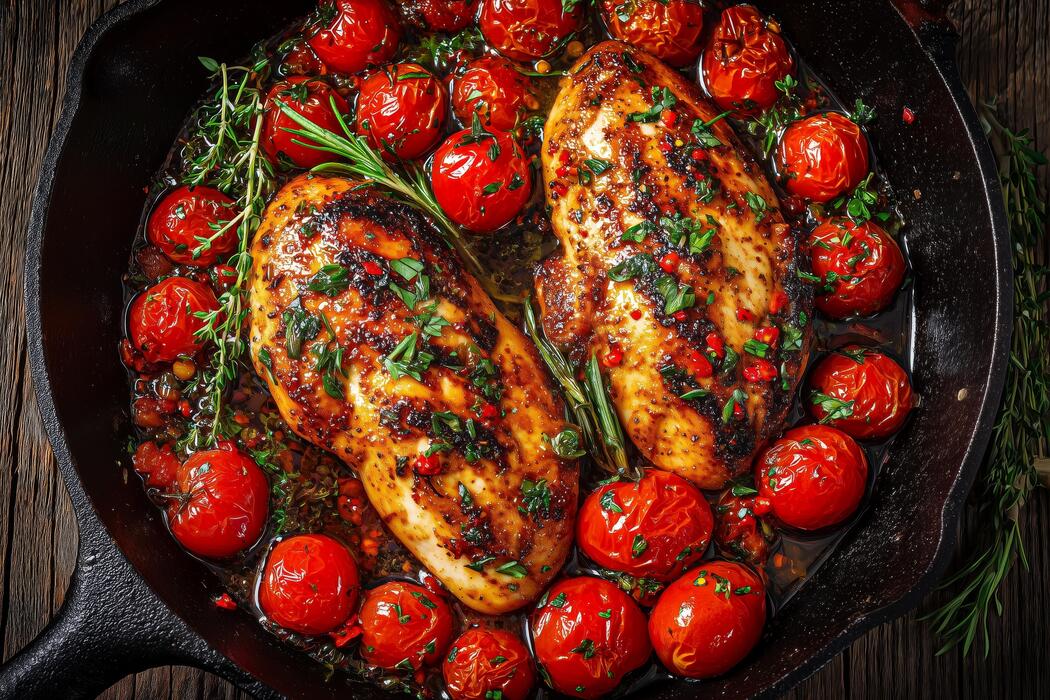
This is the recipe I make most often. It takes the best of the Persian tradition but works in a standard kitchen without a charcoal grill. Serves four.
What you'll need
- 4 chicken breasts (around 180g each)
- A generous pinch of saffron threads (around 15 to 20 threads)
- 3 tablespoons warm water (for blooming)
- Juice and zest of 1 large lemon
- 3 tablespoons olive oil
- 2 garlic cloves, crushed
- 1 small onion, finely grated
- 3 tablespoons full-fat Greek yogurt
- 1 teaspoon salt
- Half a teaspoon black pepper
- Fresh flat-leaf parsley to serve
Method
- Bloom the saffron. Crush your threads gently, add to a small bowl with 3 tablespoons of warm water and leave for 20 minutes until the liquid is deep amber.
- Make the marinade. Combine the bloomed saffron (liquid and threads), lemon juice, lemon zest, olive oil, garlic, grated onion, yogurt, salt and pepper in a bowl. Stir well.
- Prepare the chicken. Score each breast lightly with a knife (three or four shallow cuts). This helps the marinade penetrate deeper.
- Marinate. Coat the chicken breasts thoroughly in the marinade. Cover and refrigerate for at least 1 hour, ideally overnight.
- Bring to room temperature. Remove the chicken from the fridge 30 minutes before cooking. Cold chicken straight into a hot pan is a recipe for uneven cooking.
- Cook. Heat a heavy griddle pan or oven-safe frying pan over medium-high heat. Add a small drizzle of oil. Cook the breasts for 5 to 6 minutes per side until golden and caramelised. If they're thick, finish in a 180°C oven for 8 to 10 minutes.
- Rest. This step is non-negotiable. Let the chicken rest on a board, loosely covered, for 5 minutes before cutting. The juices redistribute and the result is dramatically more tender.
- Serve. Scatter with fresh parsley and a squeeze of lemon. Done.
Cooking Methods: Grilled, Baked, and Pan-Fried Saffron Chicken
The recipe above uses a pan, but saffron chicken breast is genuinely versatile. Here's how each method changes the final dish:
Pan-fried
The quickest method. You get a beautiful caramelised crust from the Maillard reaction, which adds complexity and a slight bitterness that balances the sweet saffron. Best for weeknights when you want dinner on the table in under 30 minutes.
Baked
More hands-off and more forgiving. Place marinated breasts in a baking dish, add a splash of chicken stock to prevent drying, cover with foil and bake at 190°C for 25 to 30 minutes. Remove the foil for the last 10 minutes to get some colour. The result is softer and more uniformly cooked throughout.
Grilled (outdoor or indoor)
The most traditional method for Persian saffron chicken. The high, direct heat chars the edges of the marinade, creating those slightly smoky, caramelised bits that are honestly the best part. If you're using an indoor grill, preheat it well and don't move the chicken around too much.
Note
Whichever method you choose, the internal temperature of cooked chicken breast should reach 74°C at the thickest point. A meat thermometer is a worthwhile investment and takes the guesswork out entirely.
Flavour Pairings and Complementary Ingredients for Saffron Chicken
Saffron plays well with others, but it does have preferences. Knowing what works alongside it means you can riff on the base recipe endlessly.
- Lemon: the classic partner. The acidity cuts through saffron's richness and keeps the dish bright.
- Cream: for a Tuscan-style sauce. Saffron and double cream together is genuinely luxurious.
- Spinach: wilted into a creamy saffron sauce, it adds earthiness and colour contrast.
- Sumac: a tangy, slightly fruity spice used in Persian cooking. A pinch over the finished dish is brilliant.
- Garlic: always. It deepens the savoury base without competing with saffron's floral notes.
- Turmeric: a small amount enhances the golden colour without dramatically changing the flavour.
- Fresh herbs: flat-leaf parsley, coriander and dill all work well. Add them at the end, never during cooking.
- Pomegranate seeds: scattered over the finished dish for sweetness, acidity and visual drama.
For serving, saffron chicken is magnificent alongside perfectly cooked basmati rice. Our guide on how to cook light and fluffy rice to serve alongside will make sure the accompaniment is as good as the main event. And if you want more ideas for the plate, the complete guide to what to serve with saffron rice is worth a read too.
Troubleshooting Common Saffron Chicken Problems
Even experienced cooks run into issues. Here are the most common ones and how to fix them.
The chicken is dry
Almost always caused by overcooking or skipping the rest period. Use a thermometer, pull the chicken at 74°C and rest it for five minutes minimum. The yogurt marinade helps too, so don't skip it.
The colour is pale and weak
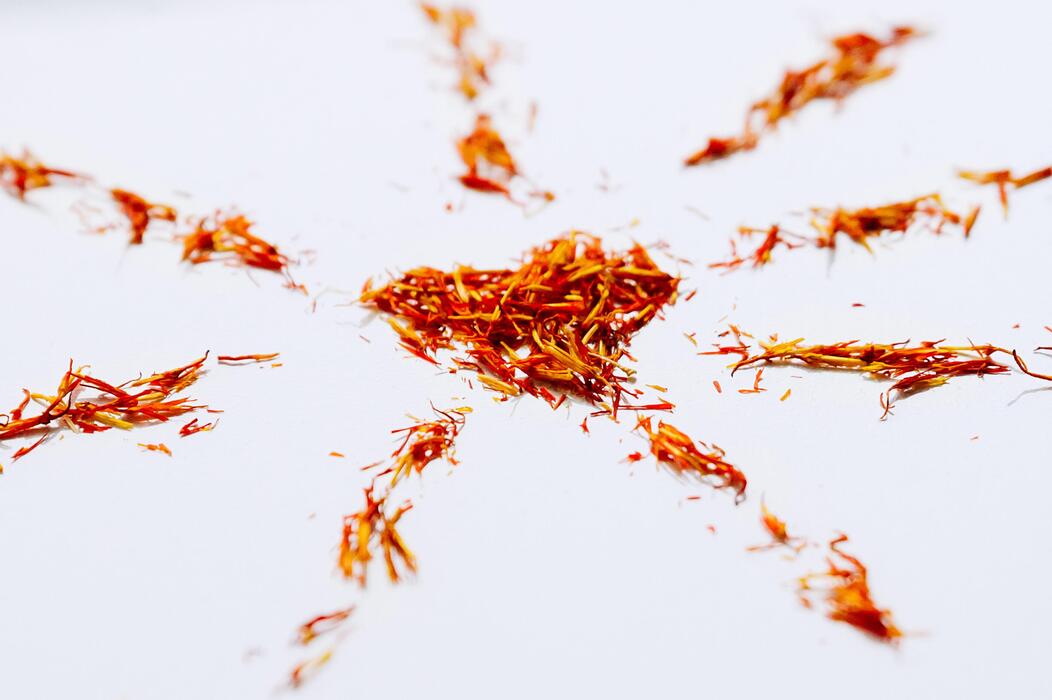
This usually means the saffron wasn't bloomed long enough, or the threads were past their best. Bloom for at least 20 minutes and make sure your saffron is fresh and deep crimson in colour. Pale, orange-yellow threads are a sign of lower quality.
The saffron flavour is too strong or bitter
You've used too much. Saffron is potent. Stick to 15 to 20 threads for four portions and taste as you go. If you've overdone it, add more lemon juice and a pinch of sugar to balance.
The marinade isn't sticking
Score the chicken before marinating. Those shallow cuts give the marinade somewhere to grip. Patting the chicken dry before adding the marinade also helps.
Storage, Reheating, and Make-Ahead Tips
One of the genuinely underrated things about a saffron chicken breast recipe is how well it works as a make-ahead meal.
Raw marinated chicken can sit in the fridge for up to 24 hours before cooking. The longer it marinates, the deeper the flavour. This makes it perfect for dinner parties: do the prep the night before and just cook on the day.
Cooked saffron chicken keeps well in an airtight container in the fridge for up to three days. The flavours actually deepen overnight, so leftovers are often even better.
Reheating: gently in a covered pan with a splash of water or stock over low heat. Avoid the microwave if you can, as it tends to dry out chicken breast. If you must use a microwave, cover the chicken and use 50% power.
Freezing: cooked saffron chicken freezes well for up to two months. Freeze in portions in airtight bags, defrost overnight in the fridge and reheat gently.
Nutritional Benefits of Saffron in Your Diet
Saffron is more than just a flavouring. Research suggests the compounds it contains, particularly crocin, crocetin and safranal, have genuine antioxidant properties2. Studies published on PubMed have explored saffron's potential to support mood and cognitive function, with some meta-analyses of randomised trials showing promising results1.
For the dish as a whole, chicken breast is one of the leanest protein sources available. A 180g cooked breast provides roughly 53g of protein with minimal fat, making this a genuinely nutritious meal when paired with vegetables and wholegrains.
If you're curious about the wider applications of saffron beyond cooking, our article on the wider uses of saffron beyond the kitchen covers the evidence in detail.
Saffron's value isn't in the quantity you use. It's in the quality of what you start with and the care you take in releasing it.
This article is for information only and is not medical advice. Speak to your GP before making dietary changes if you are pregnant, breastfeeding, taking medication or managing a health condition.
References
- Saffron (Crocus sativus L.) and major depressive disorder: a meta-analysis of randomised clinical trialspubmed.ncbi.nlm.nih.gov
- Antioxidant and anti-inflammatory properties of saffron: an updated reviewpubmed.ncbi.nlm.nih.gov
Questions
What is the best saffron chicken breast recipe for beginners?
A simple Persian-style saffron chicken breast recipe is ideal for beginners. Bloom a generous pinch of saffron threads in warm water for 20 minutes, then mix with lemon juice, olive oil, garlic and salt to create a marinade. Let the chicken sit in it for at least an hour, then pan-fry or bake until cooked through. The result is deeply golden, fragrant and genuinely impressive with very little effort.
How much saffron should I use in a chicken breast recipe?
For a saffron chicken breast recipe serving four people, a good pinch (roughly 15 to 20 threads) is plenty. Saffron is potent and you really don't need much. Too little and you'll miss that signature golden colour and floral depth; too much and the dish can tip into bitter territory. Always bloom the threads first to get the most out of every strand.
How do I infuse saffron to get the most flavour?
The best method is to gently crush your saffron threads with the back of a spoon, then steep them in warm (not boiling) water for 15 to 20 minutes. The water should turn a deep amber-orange. You can also use warm milk or stock depending on your recipe. This blooming process releases the full colour and flavour compounds that make saffron so distinctive.
What flavours pair best with saffron chicken?
Saffron has a subtly sweet, earthy and floral character that pairs beautifully with lemon, garlic, cream, yogurt, parsley and sumac. For a Persian-style dish, add onion and turmeric. For a Tuscan twist, try spinach and double cream. Fresh herbs like coriander and flat-leaf parsley added at the end brighten everything up nicely.
Can I use ground saffron instead of threads in a chicken recipe?
Yes, you can use ground saffron, but use it sparingly as it's more concentrated than threads and can easily overpower a dish. Dissolve a small amount in warm water before adding it to your recipe, just as you would bloom threads. Ground saffron also loses its potency faster than threads, so freshness matters even more. Threads from a trusted source like Vivid Saffron will generally give you better, more consistent results.
Is saffron chicken healthy?
Saffron chicken breast is a genuinely nutritious meal. Chicken breast is a lean, high-protein meat, and saffron contains compounds such as crocin and safranal that have been studied for their antioxidant properties. Research published on PubMed suggests saffron may support mood and cognitive function, though it should be enjoyed as part of a balanced diet rather than as a remedy. Pair it with vegetables and wholegrains for a well-rounded plate.