

The Saffron Journal
How to Bloom Saffron: Complete Step-by-Step Guide
Learn how to bloom saffron properly with our complete guide. Discover hot, cold and milk methods, timings, temperatures and common mistakes to avoid.
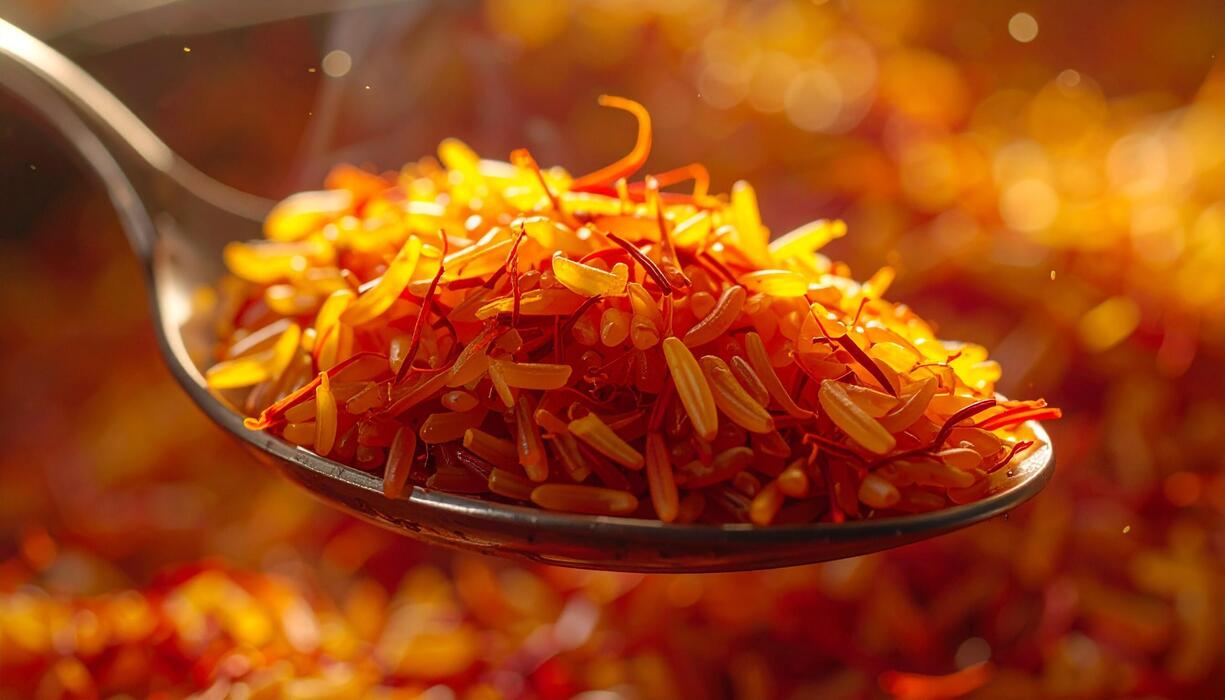
You've bought saffron. You want to use it properly. But here's the thing: if you just drop the threads straight into a pot, you're wasting most of what you paid for. Knowing how to bloom saffron correctly is the single most important step between mediocre results and a dish that genuinely tastes and looks the way it should.
Blooming is not complicated. But it is easy to get wrong. Too hot, too fast, wrong liquid, skip the crushing step. Each of those mistakes costs you colour, flavour, or both. This guide covers every method, the science behind why each one works, and the practical details that most recipes simply skip over.
What Does Blooming Saffron Actually Do?
Saffron threads contain three key compounds: crocin (the pigment that turns your dish golden), safranal (the aromatic compound responsible for that distinctive floral, slightly hay-like smell) and picrocrocin (which gives saffron its characteristic bitter note). These compounds don't just leap out of the threads on their own. They need liquid and time to dissolve and disperse.
According to research published on PubMed, crocin is a water-soluble carotenoid, which is why saffron colours water so effectively1. When you bloom saffron, you're dissolving these compounds into a concentrated liquid that you can then stir evenly through your dish. Without that step, you get patchy colour, uneven flavour, and threads that sit in the food doing very little.
Think of it like brewing tea. You wouldn't just drop a teabag into cold water for 30 seconds and call it done. Saffron needs the same respect.
Why Crush Saffron Before Blooming?
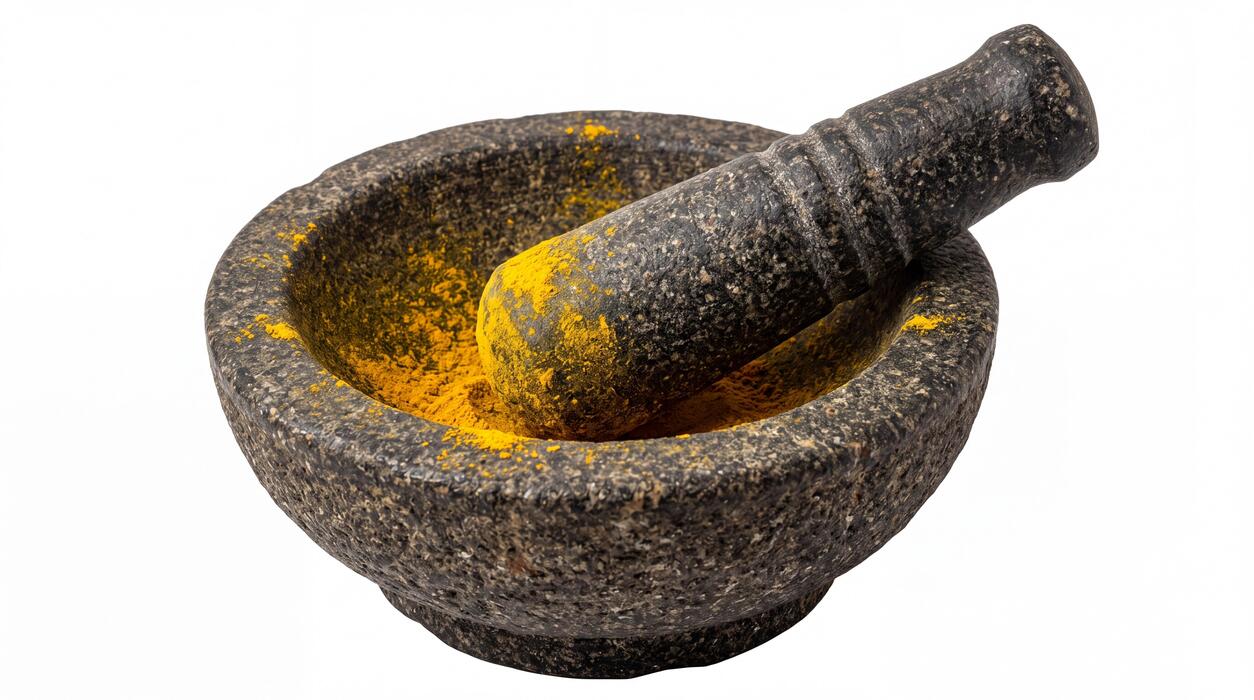
Whole saffron threads have a relatively small surface area. The compounds are locked inside the thread structure. Crushing breaks that structure open and dramatically increases the surface area in contact with your liquid.
The practical difference is significant. Crushed saffron releases its colour and flavour noticeably faster and more completely than whole threads. A quick grind in a mortar and pestle is all it takes. You don't need to turn it into a fine powder. A rough crush that breaks the threads into smaller fragments is enough.
Tip
If you don't have a mortar and pestle, fold the threads in a small piece of baking paper and press firmly with the back of a spoon. It's not quite as effective, but it's far better than using whole threads.
Some recipes suggest adding a small pinch of salt or sugar to the mortar before grinding. The granules act as an abrasive and help break the threads down more efficiently. Worth trying if you want to get the most out of your saffron.
Hot Water vs Cold Water: Which Saffron Blooming Method Works Best?
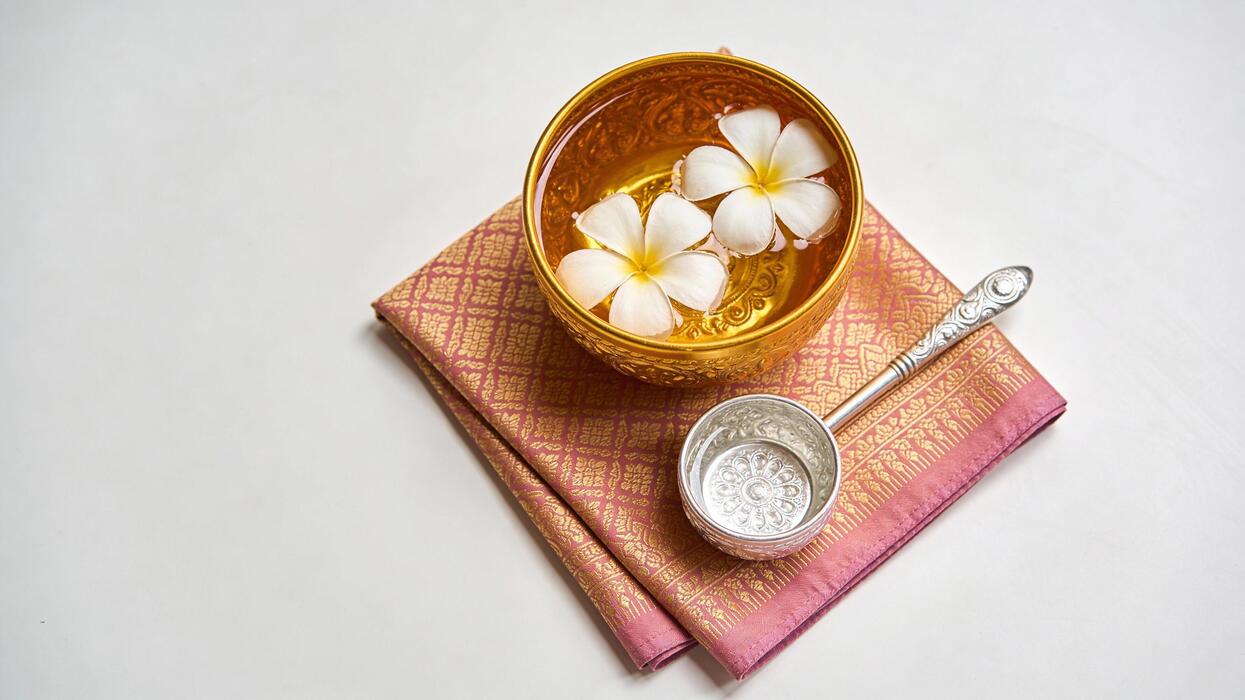
This is where most guides get vague. Let's be direct about it.
Warm Water Blooming (The Traditional Persian Method)
Warm water at around 65°C is widely considered the optimal temperature for blooming saffron. At this temperature, crocin dissolves readily and safranal releases its aroma without being driven off by excessive heat. You get a deep, rich golden colour and a balanced flavour profile.
The steeping time at this temperature is approximately 15 minutes. You'll see the water turn a vivid amber-gold. That's your bloom ready to use.
- Crush your saffron threads in a mortar and pestle.
- Add the crushed saffron to a small heatproof bowl or cup.
- Pour over warm water at roughly 65°C (hot from the tap won't cut it; use a kettle and let it cool for a few minutes after boiling).
- Use about 2 to 3 tablespoons of water per generous pinch of saffron.
- Cover the bowl with a small plate or cling film to trap the volatile aromatics.
- Leave for 15 minutes. Don't rush it.
- Add the entire contents, liquid and threads, to your dish.
Hot Water Blooming (Quick Method)
If you're short on time, hot water at around 80°C works in roughly 5 minutes. The colour extraction is fast and vivid. But there's a trade-off. Higher temperatures extract picrocrocin more aggressively relative to the sweeter aromatic compounds, which can tip the flavour towards bitter. It's not a disaster, but it's a compromise.
Use this method when speed matters more than nuance, or when the saffron is going into a strongly flavoured dish where the subtler aromatics won't be the star of the show anyway.
Ice Cube Blooming (Cold Method)
This one sounds counterintuitive. But it's genuinely effective, particularly when colour and nutrient retention matter.
The idea is simple: place your crushed saffron threads in a small bowl, then add one or two ice cubes. As the ice melts slowly, the cold water extracts the crocin gradually. The lower temperature means less heat degradation of the more delicate compounds.
According to research on saffron's bioactive compounds, heat can affect the stability of certain carotenoids2. Cold extraction sidesteps that problem. The colour you get from ice blooming tends to be particularly vivid and clean.
The downside? It takes 20 to 30 minutes. And the flavour, while clean, can be slightly less intense than warm water extraction. For dishes where colour is the priority (think saffron rice, paella, risotto), it's a brilliant technique.
| Method | Temperature | Time | Colour Result | Flavour Result | Best For |
|---|---|---|---|---|---|
| Warm Water | ~65°C | 15 minutes | Deep amber-gold | Balanced, floral | Most dishes, everyday use |
| Hot Water | ~80°C | 5 minutes | Vivid, fast | Can be slightly bitter | Quick cooking, bold dishes |
| Ice Cube | ~0-4°C | 20-30 minutes | Vivid, clean | Lighter, more delicate | Colour-forward dishes, desserts |
| Milk | ~60°C | 10-15 minutes | Rich golden | Creamy, full | Rice pudding, kheer, sweets |
Can You Bloom Saffron in Milk?
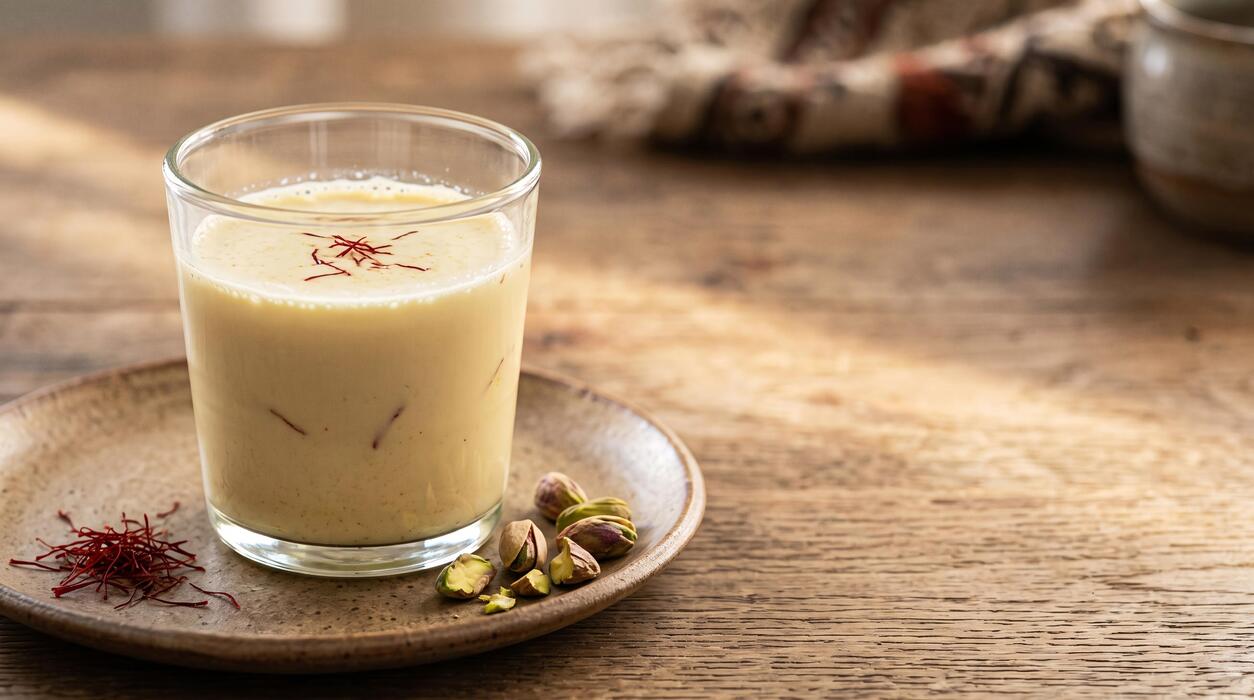
Yes. And for certain dishes, it's the right call.
Milk contains fats that act as carriers for flavour compounds in a way that water can't replicate. When you bloom saffron in warm milk, the fat molecules bind with the aromatic compounds and distribute them through your dish more evenly and with more depth. The result is a richer, creamier saffron flavour that works particularly well in dairy-based dishes.
To do it: warm your milk gently to just below a simmer (around 60°C), add your crushed saffron, and leave it to steep for 10 to 15 minutes. Don't boil the milk. Boiling drives off the aromatics and can cause the milk to scorch, which adds an entirely unwanted flavour to the mix.
This method is the standard approach for saffron rice pudding, Indian kheer, saffron panna cotta, and similar desserts. It also works well in creamy pasta sauces where you want the saffron to integrate fully rather than sit on top of the other flavours.
Note
If you're making a dish that calls for both saffron and milk, bloom directly in the milk rather than adding separately bloomed saffron water. You'll get better flavour integration and one less step.
The Science Behind Saffron Blooming: Temperature, Time and Technique
Here's where it gets interesting. The three main compounds in saffron behave differently under different conditions.
Crocin is highly water-soluble and relatively heat-stable. It extracts well across a wide range of temperatures. This is why even cold water eventually turns golden with saffron threads in it.
Safranal is the volatile aromatic compound that gives saffron its distinctive smell. It's more sensitive to heat. At very high temperatures, safranal can evaporate before it makes it into your dish. This is one reason covering the bowl during blooming matters: you're trapping those aromatics so they stay in the liquid.
Picrocrocin is the bitter precursor compound. It converts to safranal over time and with heat. At moderate temperatures, this conversion happens at a useful rate. At very high temperatures, you extract picrocrocin faster than it converts, which is why boiling water blooming can taste harsh.
So the ideal blooming method is one that extracts crocin fully, retains safranal, and manages picrocrocin conversion. Warm water at 65°C hits that balance. It's not arbitrary. It's chemistry.
Covering the bowl during blooming isn't fussy. It's the difference between keeping your aromatics in the liquid and letting them drift off into the kitchen air.
Common Saffron Blooming Mistakes and How to Avoid Them
Most blooming failures come down to a handful of recurring errors. Here's what to watch for.
Using Boiling Water
Boiling water (100°C) is too aggressive. It extracts bitterness faster than flavour and can degrade the more delicate aromatic compounds. Let the kettle cool for 3 to 4 minutes after boiling before you pour.
Not Crushing the Threads
Whole threads bloom slowly and incompletely. You'll get some colour, but you're leaving a lot on the table. Always crush first.
Not Enough Liquid
Too little water means the saffron can't dissolve properly and may end up concentrated in one spot. Use at least 2 tablespoons of liquid per pinch of saffron.
Not Covering the Bowl
Safranal is volatile. If you leave the bowl uncovered, those aromatic compounds evaporate into the air instead of staying in your bloom. A small plate on top costs you nothing and makes a real difference.
Discarding the Threads
Don't. Add the whole lot, liquid and threads, to your dish. The threads still contain residual compounds and add visual interest to the finished food.
Rushing the Time
Five minutes is the minimum for hot water blooming. Fifteen is better for warm water. If you add the bloom too early, you haven't extracted enough. If you're making a dish with a long cook time, you can bloom while you prep other ingredients. No excuse for rushing.
Heads up
Saffron that produces very little colour even after correct blooming may be old, poorly stored, or not genuine saffron at all. If you're not sure whether what you have is the real thing, check out the bloom test to verify authenticity before cooking with it.
How Saffron Quality Affects Blooming
Not all saffron blooms the same way. The quality of the threads makes a genuine difference to the results you get, regardless of technique.
Higher-grade saffron, where the threads are predominantly the red stigma with minimal yellow style attached, contains more crocin per gram. That means more colour per pinch and a more vivid bloom. Lower-grade saffron, with more yellow style and less red stigma, will produce a paler, less intense result even with perfect technique.
If you want to understand what you're buying before you cook with it, Vivid Saffron's guide to saffron grades explains the differences clearly. Getting the grade right matters as much as getting the technique right.
Storage also affects blooming results. Saffron stored incorrectly, exposed to light, moisture or heat, degrades over time. The compounds that make blooming effective break down. Keep saffron in an airtight container, away from light, and use it within a reasonable time after opening.
Using Your Bloomed Saffron in the Kitchen
Once you've got your bloom ready, the application is straightforward. Add the entire contents of the blooming bowl (liquid and threads) to your dish at the appropriate stage of cooking.
For rice dishes, add the bloom after the rice has absorbed most of its cooking liquid, so the colour distributes evenly without being diluted too much. If you want to know more about getting the rice itself right, our guide on how to cook saffron rice so it turns out light and fluffy covers the full process.
For soups and stews, add the bloom about 10 minutes before the end of cooking. Long cooking times after adding the bloom can reduce the aromatic impact.
For desserts and drinks, add the bloom at the end or off the heat to preserve the delicate floral notes.
And if you're wondering what to do with your finished saffron rice, our guide on what to serve alongside saffron rice has plenty of ideas. For a broader look at how saffron fits into both cooking and everyday life, what saffron is actually used for in the kitchen and beyond is worth a read.
This article is for information only and is not medical advice. Speak to your GP before making dietary changes if you are pregnant, breastfeeding, taking medication or managing a health condition.
References
- Saffron (Crocus sativus L.) and major depressive disorder: a meta-analysis of randomised clinical trialspubmed.ncbi.nlm.nih.gov
- Saffron compounds: an updated review of their properties and medicinal usespubmed.ncbi.nlm.nih.gov
Questions
What is the best way to bloom saffron?
The best way to bloom saffron is to crush the threads first using a mortar and pestle, then steep them in warm water at around 65°C for 15 minutes. This releases the maximum colour and flavour without the bitterness that boiling water can cause. For dishes where colour matters most, the ice cube method is a brilliant alternative that preserves more of the natural pigments.
How long does saffron take to bloom?
How long saffron takes to bloom depends on the method. Hot water blooming takes around 5 minutes. Warm water at 65°C needs about 15 minutes to fully release colour and aroma. The ice cube method is slower, often taking 20 to 30 minutes as the ice melts gradually, but many cooks feel the results justify the wait.
How to bloom saffron in milk?
To bloom saffron in milk, warm the milk gently until it is just below simmering, then add your crushed saffron threads and leave to steep for 10 to 15 minutes. The fat content in milk helps carry the flavour compounds into your dish in a way water cannot. This method works especially well for rice puddings, kheer, and desserts.
Does saffron bloom better in hot or cold water?
It depends what you want from it. Hot water extracts colour and flavour faster, but temperatures above 80°C can degrade some of the more delicate aromatic compounds and produce a slightly bitter taste. Cold or ice water extracts more slowly but tends to preserve a cleaner, more nuanced flavour profile. Warm water at roughly 65°C is the sweet spot for most cooking.
Do you need to crush saffron before blooming it?
Crushing saffron before blooming is not strictly required, but it makes a real difference. Whole threads have a smaller surface area, so the extraction is slower and less complete. A quick grind in a mortar and pestle breaks the threads down so the pigments and aromatic compounds dissolve far more readily into your liquid, giving you stronger colour and a deeper flavour.
Why does saffron taste bitter when bloomed in hot water?
Saffron contains a compound called picrocrocin, which is responsible for its characteristic slightly bitter taste. When you use very hot or boiling water, you extract picrocrocin more aggressively than the sweeter aromatic compounds, tipping the balance towards bitterness. Keeping your water below 80°C, ideally around 65°C, gives you a better balance of sweet, floral and earthy notes.
What does blooming saffron actually do?
Blooming saffron dissolves its key compounds, including crocin (the pigment), safranal (the aroma) and picrocrocin (the bitter flavour note), into a liquid so they distribute evenly through your dish. Without blooming, threads release their colour and flavour unevenly, leaving some parts of your food pale and others overpowering. Blooming gives you control over the final result.