
The Saffron Journal
What Is Saffron Used For? Culinary, Wellness and Everyday Uses Compared
What is saffron used for? From cooking to wellness, explore the real culinary and health uses of saffron, safe dosage, and how to choose quality threads.
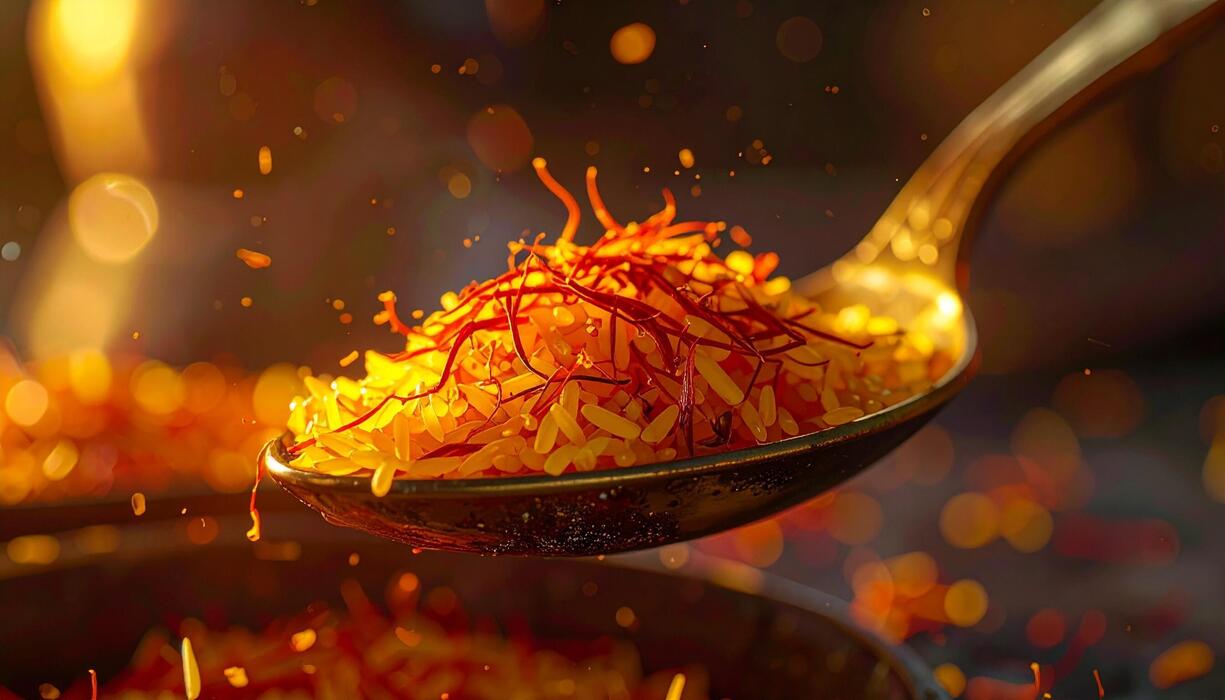
What is saffron used for? Honestly, the answer is broader than most people expect. This is a spice that has coloured Persian rice golden for centuries, turned up in Moroccan tagines, featured in medieval European medicine, and now sits on the shelves of health food shops as a mood-support supplement. One ingredient. Wildly different applications. And the gap between how it's used in the kitchen versus how it's being studied in clinical trials is genuinely fascinating.
What Is Saffron? Origins, Composition and Cultivation
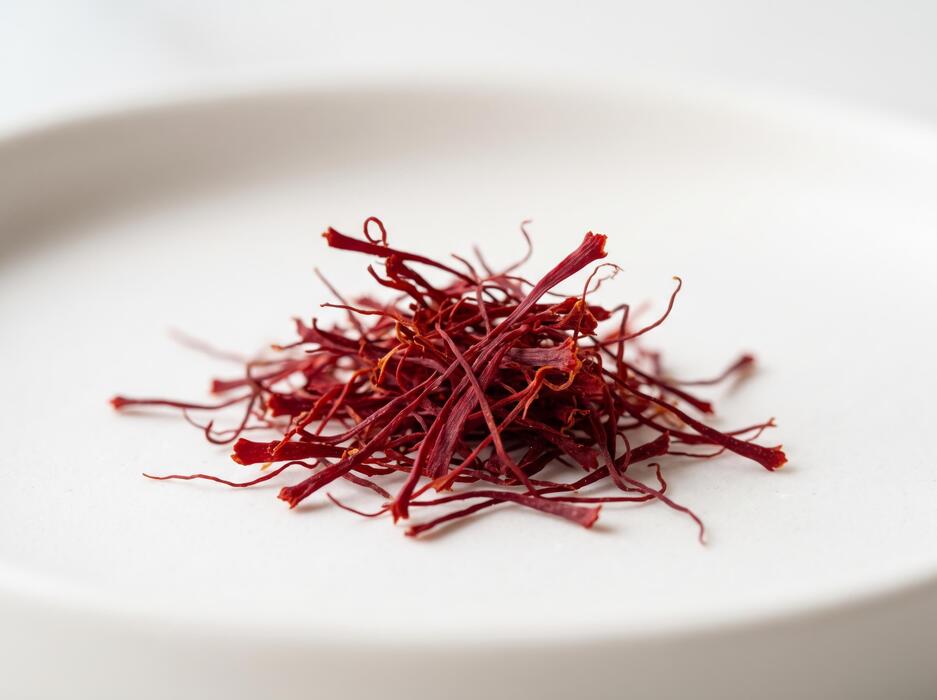
Saffron comes from the dried stigmas of Crocus sativus, a small purple flower that blooms for just a few weeks each autumn. Each flower produces exactly three stigmas, and those have to be picked by hand. No machine has ever done it properly. It takes roughly 75,000 blossoms to produce a single pound of the finished spice, which goes a long way towards explaining why it costs what it does.
The plant is thought to have originated in ancient Persia (modern-day Iran), and Iran remains the world's dominant producer. The spice spread westward through the Arab world, into Spain, and eventually across Europe. You'll find it woven into the culinary traditions of cultures as different as Catalonia and Kashmir, which tells you something about how universally it was valued.
Chemically, saffron is more complex than it looks. The three compounds that matter most are crocin (responsible for the vivid yellow-orange colour), safranal (the primary aroma compound) and picrocrocin (which gives saffron its characteristic bitter, slightly honey-like taste). These aren't just flavour molecules. They're the same compounds that researchers are now studying for potential health effects. And that overlap between culinary chemistry and bioactivity is what makes saffron so interesting.
Primary Uses of Saffron: Culinary Versus Medicinal
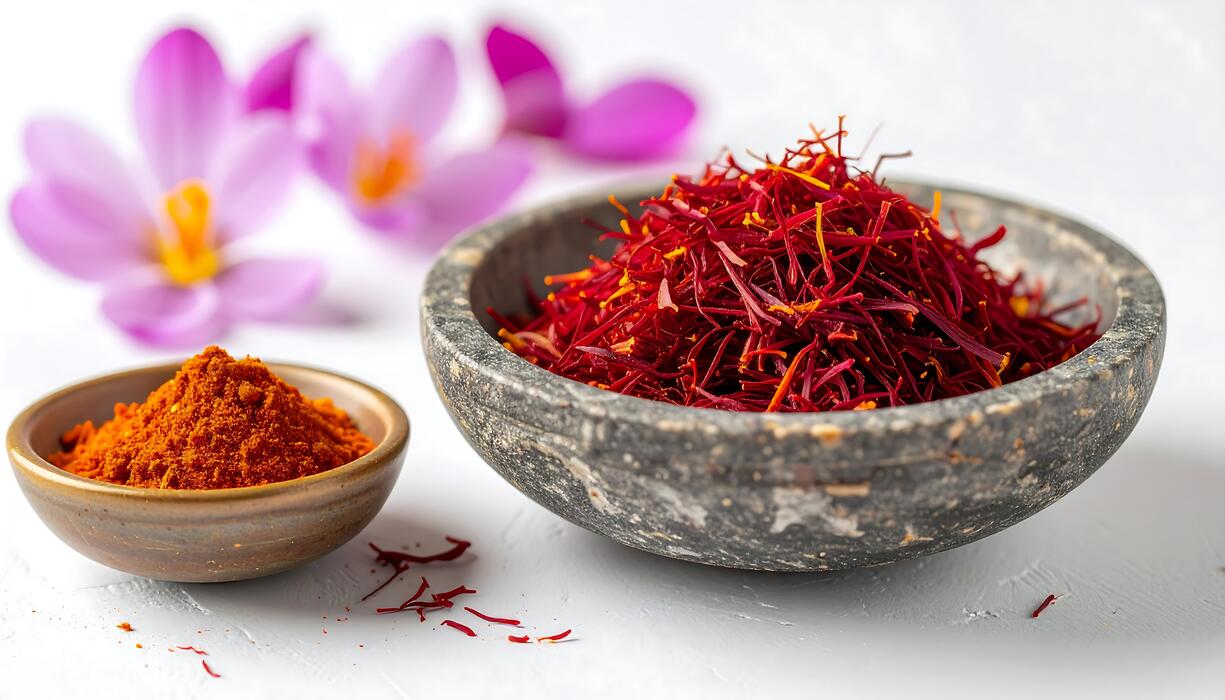
Here's the thing: most people encounter saffron in one of two contexts. Either they're cooking with it, or they've seen it marketed as a supplement. These two uses look similar on the surface (same spice, same plant) but they're quite different in practice.
Culinary use
In the kitchen, saffron is used in small quantities. A pinch. A few threads steeped in warm water. The goal is colour, aroma and that subtle, slightly floral depth of flavour that's genuinely hard to replicate with anything else. Turmeric will give you yellow. But it won't give you saffron.
Dishes that rely on saffron include Persian chelow rice, Spanish paella, Milanese risotto, French bouillabaisse, Moroccan tagines, Indian biryani and a whole range of Middle Eastern sweets and breads. The spice is also used in some Scandinavian baked goods, particularly around Christmas. It crosses cultural boundaries in a way that very few ingredients manage.
If you want to get the most from your threads in the kitchen, steep them in a tablespoon of warm (not boiling) water or milk for about 20 minutes before adding to your dish. That releases the crocin properly and gives you a deeper, more even colour. For a proper guide on getting rice spot on, take a look at how to cook perfectly fluffy saffron rice.
Medicinal and supplemental use
Supplemental saffron is a different animal. Products are typically standardised to a specific concentration of crocin or safranal, and doses are measured in milligrams rather than pinches. The intent is to deliver a consistent bioactive dose, not to flavour a dish.
The distinction matters because the amounts you'd consume in a recipe are much lower than what's used in clinical studies. A pinch in a pot of rice might contain 0.1 to 0.2 grams of saffron. Studies on depression and mood have typically used 30 mg of a standardised extract daily, which is a different proposition entirely.
| Form | Typical amount | Primary goal | Key compounds delivered |
|---|---|---|---|
| Culinary (threads) | 0.1 to 0.5 g per dish | Colour, flavour, aroma | Crocin, safranal, picrocrocin (trace amounts) |
| Supplement (extract) | 15 to 100 mg daily | Targeted bioactive effect | Standardised crocin or safranal concentration |
Saffron for Mental Health: What the Research Actually Shows

This is probably the area that's attracted the most scientific attention in recent years. And the results are genuinely interesting, even if they come with caveats.
Several randomised controlled trials have looked at saffron extract for mild to moderate depression. A meta-analysis published in peer-reviewed literature found that saffron supplementation was associated with small but statistically significant improvements in depressive symptoms compared to placebo1. Another analysis specifically compared saffron to standard antidepressant medications and found broadly similar effects in mild to moderate cases2.
So can saffron help with depression without antidepressants? Possibly, in mild cases, for some people. But
References
- Saffron and its active constituents: a review of their antidepressant and anxiolytic effectspubmed.ncbi.nlm.nih.gov
- Saffron (Crocus sativus L.) and major depressive disorder: a meta-analysis of randomised clinical trialspubmed.ncbi.nlm.nih.gov
- Saffron supplementation in adults: a systematic reviewpubmed.ncbi.nlm.nih.gov
Questions
What is saffron used for in everyday cooking?
Saffron is used to add a warm golden colour, a delicate floral aroma and a subtly earthy flavour to dishes. It works brilliantly in rice dishes, stews, soups, breads and even desserts. A small pinch steeped in warm water or milk before adding to a recipe is the most effective way to release its colour and flavour compounds.
What is saffron used for in terms of health and wellness?
Saffron has been studied for its potential role in supporting mood, reducing mild symptoms of depression and anxiety, and acting as an antioxidant. Research suggests it may also have anti-inflammatory properties. However, the evidence is still developing and saffron should never be used as a replacement for medical treatment.
Is saffron safe to take every day?
According to current research, saffron appears to be possibly safe when taken in doses of up to 100 mg daily for periods of up to 26 weeks. Going above that, especially reaching 5 grams or more, can cause toxic effects. Always speak to a GP before adding saffron supplements to your routine.
What is the difference between using saffron as a spice versus a supplement?
As a spice, you consume saffron in small culinary amounts, typically a pinch or a few threads, which delivers flavour and colour alongside trace bioactive compounds. Supplements concentrate specific compounds like crocin and safranal at standardised doses. The bioavailability and effect profile can differ significantly between the two forms.
Is saffron safe during pregnancy?
Large amounts of saffron during pregnancy are considered unsafe. High doses can cause the uterus to contract, which may increase the risk of miscarriage. Small culinary amounts used in cooking are generally considered fine, but pregnant women should avoid saffron supplements entirely and consult their GP if uncertain.
How much saffron is safe to consume daily?
For culinary use, a pinch of around 0.1 to 0.5 grams per dish is typical and well within safe limits. For supplemental use, doses up to 100 mg daily have been studied for up to 26 weeks without serious adverse effects. Doses of 5 grams or more can be toxic, and amounts of 12 to 20 grams have been associated with serious harm.
Why is saffron so expensive compared to other spices?
Saffron is expensive because it is extraordinarily labour-intensive to produce. Each flower yields just three stigmas, which must be hand-harvested. It takes roughly 75,000 blossoms to produce a single pound of saffron. That level of human effort, combined with a short annual harvest window, makes it one of the most costly spices in the world.