

The Saffron Journal
Saffron rice recipes
How to Cook Rice So It's Light and Fluffy?
How to cook rice so it's light and fluffy? Learn the correct ratio, towel trick, toasting tips and resting time for perfect grains every time.
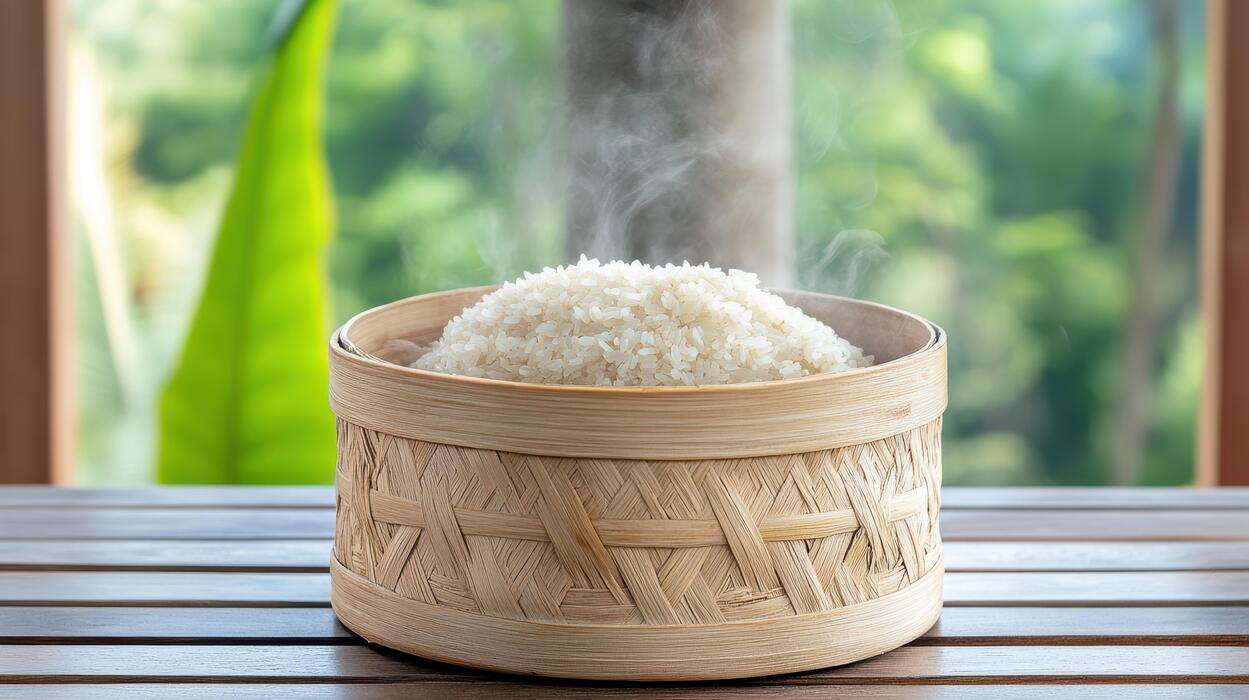
How to cook rice so it's light and fluffy? It's one of those questions that sounds embarrassingly simple until you've pulled the lid off a pot to find a sticky, clumped mess for the third time that week. The good news is that fluffy rice isn't luck. It's method. Get a few key things right and you'll produce separate, light grains consistently, whether you're making a plain side dish or a proper saffron rice.
Rice-to-Water Ratio: The Foundation of Fluffy Rice
Everything starts here. Use too much water and your rice goes soft and gluey. Use too little and you get hard, undercooked grains that crunch in the wrong way.
For stovetop cooking, the sweet spot is a 1:1.5 ratio: one cup of rice to one and a half cups of water. This applies to most long-grain white rice varieties, including basmati. It gives the rice enough liquid to cook through without leaving excess water that gets absorbed into the grains and turns them to mush.
Microwave cooking is a different story. Because the process takes longer and the bowl isn't sealed as tightly as a lidded pot, more water evaporates. For microwave rice, move to a 1:2 ratio: one cup of rice to two cups of water. Stick to the stovetop ratio in the microwave and you'll end up with undercooked rice every time.
| Cooking Method | Rice-to-Water Ratio | Best For |
|---|---|---|
| Stovetop | 1:1.5 | Most white rice, basmati, jasmine |
| Microwave | 1:2 | Quick weeknight cooking |
| Oven (baked) | 1:1.75 | Large batch cooking |
Oven-baked rice sits between the two. Use roughly 1:1.75 in a covered baking dish at 180°C for about 35 minutes. It's a brilliant method for batch cooking because it's hands-off once it's in.
Why You Don't Need to Rinse Rice for Perfect Results
Rinsing rice is one of those cooking habits that gets passed down without much explanation. The idea is that washing removes surface starch, which reduces stickiness. And yes, that's true to a point.
But here's the thing: if your method is correct, rinsing is optional. The water ratio and cooking technique do the heavy lifting. You can achieve properly fluffy, separate grains without rinsing at all. The NHS notes that rinsing can also wash away some B vitamins added to fortified rice2, so it's worth knowing that before you do it automatically.
That said, if you're cooking sushi rice or a variety that's meant to be sticky (like glutinous rice), rinsing actively works against you. And for basmati specifically, a short rinse followed by a 20-minute soak does help the grains elongate during cooking. So the answer is: it depends on the rice. Not a blanket rule either way.
Tip
If you do rinse, drain the rice thoroughly before measuring your cooking water. Wet rice carried into the pot adds unmeasured liquid and throws off your ratio.
Stovetop Method: Step-by-Step Guide to Fluffy Rice
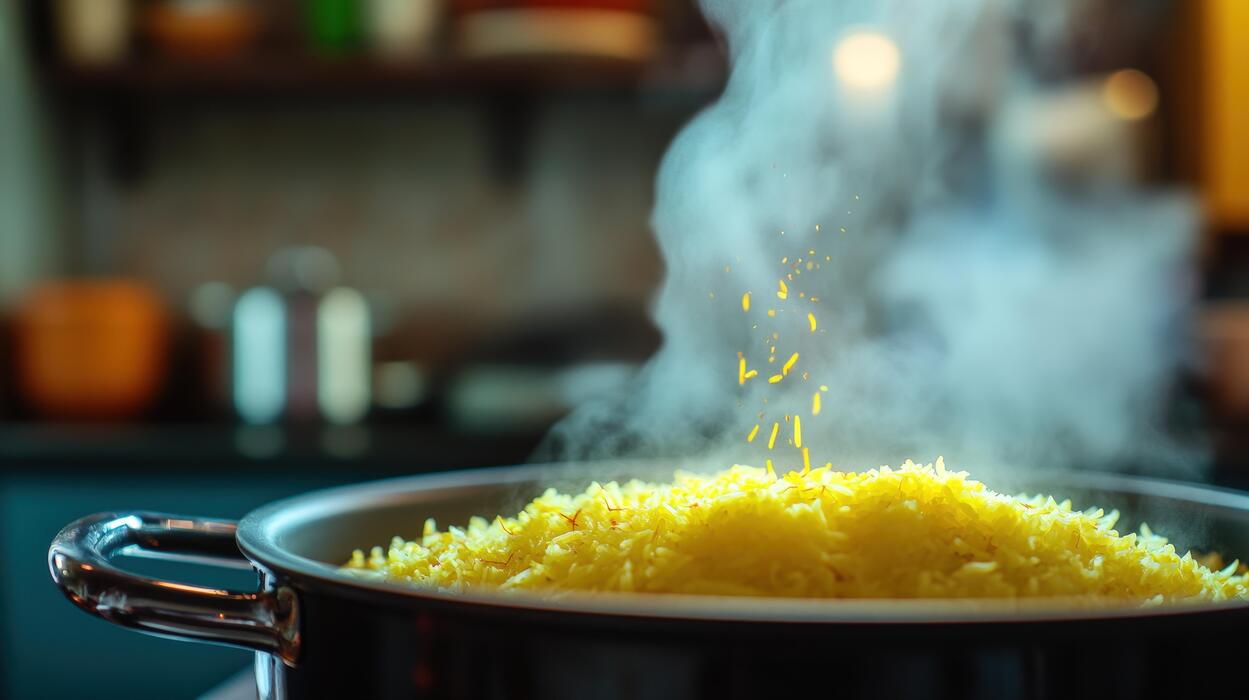
How to cook rice so it's light and fluffy on the stovetop comes down to six steps. Follow them in order and don't skip the last two.
- Measure carefully. Use the 1:1.5 ratio. Don't eyeball it.
- Toast the rice (optional but worth it). Add a small amount of oil or butter to the pan, add the dry rice, and stir over medium heat for 1 to 2 minutes until the grains smell faintly nutty. More on this below.
- Add cold water and a pinch of salt. Bring to a full boil over medium-high heat.
- Reduce heat immediately. As soon as it boils, drop the heat to the absolute lowest setting, put the lid on, and do not lift it. Set a timer for 12 minutes.
- Remove from heat. When the timer goes, take the pot off the hob completely.
- Apply the towel trick and rest. Place a clean kitchen towel under the lid and leave for 5 minutes. Then fluff with a fork.
The key mistake most people make is turning the heat up too high during cooking, thinking it'll speed things up. It won't. It'll burn the bottom and leave the top undercooked. Low and slow is the only way.
The Towel Trick: The Secret to Preventing Sticky Rice
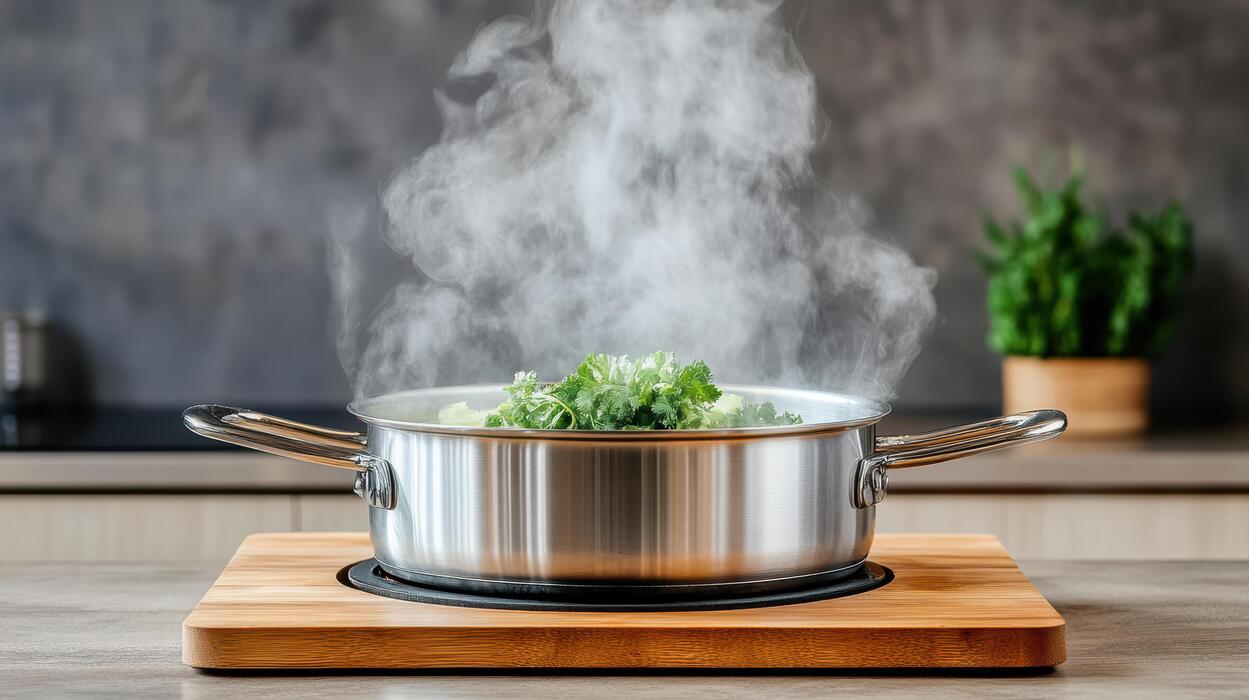
This one sounds odd the first time you hear it. But it genuinely works and the science behind it is straightforward.
When you remove rice from the heat, steam continues to rise inside the pot. Without the towel, that steam hits the cold lid, condenses into water droplets, and falls back onto the rice. That extra moisture is what makes the top layer gummy and clumped.
Place a clean, folded kitchen towel between the pot and the lid immediately after removing from heat. The towel absorbs that steam before it can condense and drip back. Leave it there for the full 5-minute resting period. When you lift the lid, the grains on top will be as dry and separate as the ones underneath.
A clean towel under the lid for five minutes does more for fluffy rice than any fancy technique or gadget.
Use a thin cotton tea towel, not a thick terry cloth one. You want it to absorb steam, not insulate the pot so much that the rice keeps cooking and goes soft.
Toasting Rice Before Cooking: Does It Make a Difference?
Short answer: yes. Noticeably so.
Lightly toasting dry rice in a small amount of oil or butter before adding water coats each grain in a thin layer of fat. That coating acts as a barrier, slowing down water absorption slightly and helping grains stay separate rather than clumping together. It also adds a subtle nuttiness that plain boiled rice completely lacks.
The method is simple. Heat a teaspoon of oil or butter in the pot over medium heat. Add the dry, uncooked rice. Stir constantly for about 1 to 2 minutes until the grains look slightly translucent and you can smell a faint toasty aroma. Then add your water and proceed as normal.
It adds maybe three minutes to the process. Worth it, especially if you're cooking rice to serve alongside something with a lot of flavour, where you want the rice to hold its own rather than just absorb everything around it. This technique pairs particularly well with saffron rice, where the grains need to stay separate to show off the colour properly.
Note
Toasting works best with long-grain varieties like basmati. For short-grain rice (risotto, paella), you want the starch to release, so skip this step entirely.
Resting Period: Why 5 Minutes Matters
Resting rice after cooking is not optional. It's part of the cooking process.
During the 12 minutes on the heat, the grains absorb water and cook through. But the moisture isn't evenly distributed yet. The 5-minute rest allows that moisture to equalise throughout each grain, giving you a uniform texture from top to bottom. Without it, the bottom of the pot is often overcooked and the top undercooked, with the middle somewhere in between.
Research into starch gelatinisation confirms that allowing cooked starch time to stabilise after heat is removed improves texture and reduces surface stickiness1. It's the same principle behind resting meat after cooking. The structure needs time to settle.
So: 12 minutes on the lowest heat, lid on. Then off the heat, towel under the lid, 5 minutes rest. Then fork to fluff. That's the full sequence.
Common Rice Cooking Mistakes and How to Avoid Them
Most bad rice comes from one of these five errors. Know them and you'll stop making them.
- Lifting the lid during cooking. Every time you peek, steam escapes and the cooking time and moisture balance are disrupted. Put the lid on and leave it.
- Too much water. Excess water gets absorbed and turns grains soft and sticky. Measure precisely.
- Too high a heat. Boiling hard after the initial boil burns the bottom and dries out the top. Once it boils, go low.
- Not resting the rice. Serving immediately after cooking gives uneven texture. Five minutes makes a real difference.
- Stirring during cooking. Stirring breaks down the grain structure and releases starch, making the rice gluey. Add the water, stir once to level it, then leave it alone.
Heads up
If your rice is consistently burning on the bottom, your hob's lowest setting may still be too hot. Try placing a heat diffuser under the pot, or use a heavy-bottomed pan that distributes heat more evenly.
Rice Types and Their Cooking Requirements
Not all rice is the same. The method above works well for most long-grain white rice, but different varieties have different starch compositions and grain structures that require small adjustments.
| Rice Type | Water Ratio (Stovetop) | Notes |
|---|---|---|
| Basmati | 1:1.5 | Soak 20 mins for longer grains; ideal for saffron rice |
| Jasmine | 1:1.25 | Slightly stickier by nature; less water needed |
| Long-grain white | 1:1.5 | Standard ratio works well |
| Short-grain / sushi | 1:1.1 | Stickiness is intentional; skip toasting |
| Brown rice | 1:2 | Longer cook time: 40 to 45 minutes |
Basmati is the variety most people reach for when they want genuinely fluffy, separate grains, and for good reason. Its lower amylopectin content (the starch that causes stickiness) makes it naturally less prone to clumping. It's also the rice used in classic Persian and South Asian dishes where a light, separate texture is the whole point. At Vivid Saffron, we often recommend basmati as the base for saffron rice precisely because the grains hold their shape and show off the colour beautifully. You can explore our kitchen recipes for saffron rice ideas that make the most of this.
Jasmine rice is slightly stickier by design and needs a touch less water. Brown rice needs significantly more water and a longer cooking time because the bran layer slows water absorption. Adjust accordingly and you'll get good results from any variety.
If you're adding saffron to your rice, check out how far a gram of saffron goes so you use exactly the right amount per dish without overdoing it.
Scaling Up: Batch Cooking Fluffy Rice
The ratio stays the same when you scale up. Two cups of rice needs three cups of water. Four cups of rice needs six cups of water. Simple.
What changes is the cooking vessel. A wider, heavier pot distributes heat more evenly over a larger volume of rice. If you try to cook a large batch in a narrow, thin-bottomed pan, you'll get burnt rice at the bottom and undercooked rice at the top.
For large batches, the oven method is genuinely useful. Use a wide, deep baking dish, cover tightly with foil, and bake at 180°C for 35 minutes. The even heat of the oven means every grain cooks at the same rate. Rest covered for 10 minutes before serving.
Cooked rice keeps in the fridge for up to two days. Reheat with a splash of water, covered, in the microwave or a covered pan. Don't reheat rice more than once, and make sure it's piping hot all the way through before serving.
Tip
Freeze cooked rice in individual portions for quick weeknight meals. Defrost fully before reheating and always reheat until steaming hot throughout.
This article is for information only and is not medical advice. Speak to your GP before making dietary changes if you are pregnant, breastfeeding, taking medication or managing a health condition.
References
Questions
How to cook rice so it's light and fluffy on the stovetop?
Use a 1:1.5 rice-to-water ratio, bring to a boil, then reduce to the lowest heat and cover tightly for 12 minutes. Remove from heat, place a clean kitchen towel under the lid, and rest for 5 minutes before fluffing with a fork. This method gives you separate, light grains every time.
What is the correct rice-to-water ratio for fluffy white rice?
For stovetop cooking, a 1:1.5 ratio (one cup of rice to one and a half cups of water) is ideal for most white rice varieties. Microwave cooking needs more water, roughly a 1:2 ratio, because more evaporates during the longer cooking process. Getting this ratio right is the single biggest factor in fluffy results.
Should I rinse rice before cooking?
Rinsing is not strictly necessary if you use the correct cooking method and water ratio. Some cooks rinse to remove surface starch, which can reduce stickiness, but with the right technique you can achieve fluffy, separate grains without rinsing at all. It comes down to personal preference and the rice variety you're using.
Why does my rice come out sticky and mushy?
Sticky, mushy rice usually comes from too much water, too high a heat, or lifting the lid during cooking. Excess water makes grains absorb more than they should, and steam escaping through a lifted lid disrupts the cooking process. Stick to the correct ratio, keep the lid on, and use the towel trick after cooking.
What is the towel trick for fluffy rice?
The towel trick involves placing a clean, folded kitchen towel between the pot and the lid immediately after you remove the rice from the heat. The towel absorbs excess steam that would otherwise condense and drip back onto the rice, making it gummy. Leave it in place for the full 5-minute resting period.
Does toasting rice improve the final texture?
Yes. Lightly toasting dry rice in a small amount of oil or butter for 1 to 2 minutes before adding water coats the grains and helps them stay separate during cooking. It also adds a subtle nutty flavour that plain boiled rice lacks. It's a small extra step that genuinely makes a difference.
Can I cook fluffy rice in a microwave?
You can, but the method differs. Use a 1:2 rice-to-water ratio in a microwave-safe bowl, cover loosely, and cook on full power for around 10 to 12 minutes depending on your microwave's wattage. Rest covered for 5 minutes before serving. Results are decent but stovetop gives more consistent texture.