
The Saffron Journal
Saffron Benefits for Female Health: What the Research Actually Shows
Saffron benefits for female health are backed by real research. Discover how saffron supports PMS, menopause, mood and hormonal balance in 2026.
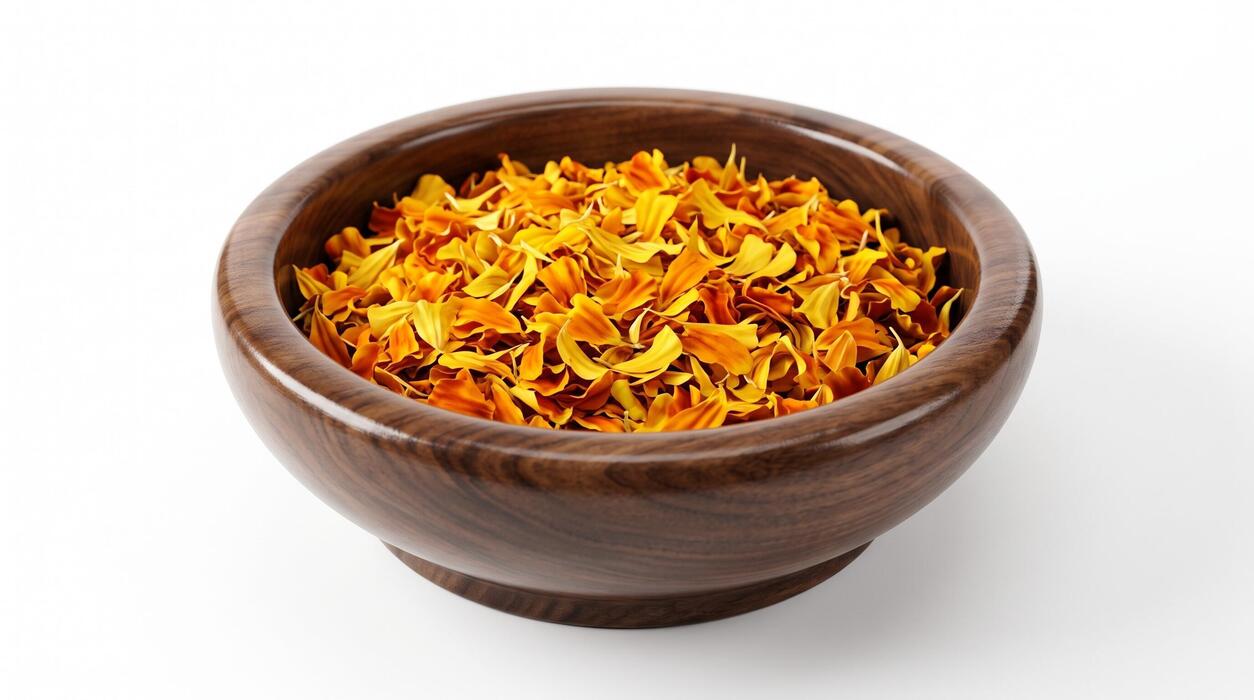
Saffron benefits for female health are more than just a wellness trend. Real clinical research is starting to show that this ancient spice, the same vivid red threads you stir into rice or warm milk, may have a meaningful role in supporting women through PMS, perimenopause, mood shifts, and hormonal changes. The verdict? Promising, but with important nuance. Let's get into what the evidence actually says, what it does not say, and how to approach saffron sensibly as part of your health routine.
What Is Saffron and How Does It Work in the Female Body?
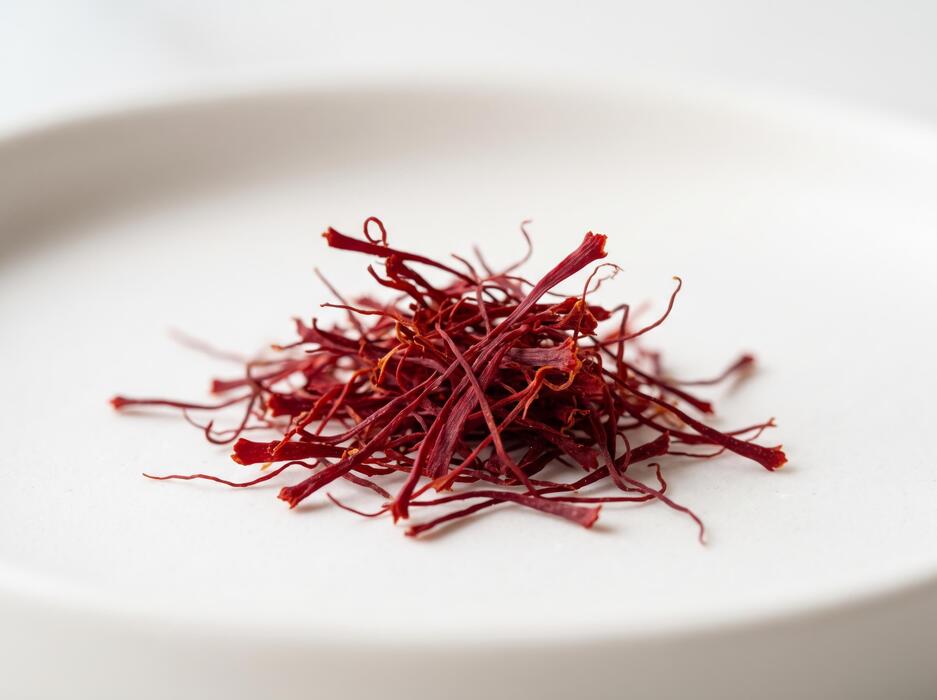
Saffron comes from the dried stigmas of the Crocus sativus flower. It takes tens of thousands of hand-picked flowers to produce a single kilogram, which is why it has always been prized. But beyond its culinary magic, saffron contains a remarkable range of bioactive compounds: carotenoids (including crocin and crocetin), polyphenols, flavonoids, and terpenes like safranal. These compounds give saffron its colour, its aroma, and, increasingly, its reputation in health research.
So how does it interact with the female body specifically? The most studied mechanism is saffron's apparent ability to influence neurotransmitter activity, particularly serotonin. Serotonin plays a central role in mood regulation, appetite, sleep, and even pain perception. All of which, as many women know, are areas that shift significantly across the menstrual cycle and during the menopausal transition. Saffron's active compounds appear to inhibit serotonin reuptake in a similar (though much gentler) way to some antidepressant medications2. That's a big deal when you consider how many women are looking for non-pharmaceutical support.
It also carries antioxidant and anti-inflammatory properties that may help reduce oxidative stress in the body. Chronic low-grade inflammation is increasingly linked to hormonal disruption, mood disorders, and a range of symptoms that disproportionately affect women. For a deeper look at the many uses of saffron beyond cooking, it is worth exploring how this spice bridges the gap between kitchen and wellness.
Saffron for PMS: Evidence-Based Benefits and What the Research Says
Premenstrual syndrome affects a significant proportion of women in their reproductive years. Symptoms range from bloating and breast tenderness to mood swings, irritability, and fatigue. And for some women, it is genuinely debilitating. So the idea that a natural compound might help is, understandably, appealing.
The research here is actually quite encouraging. Clinical studies have found that women taking saffron supplements reported a 50% reduction in PMS symptoms compared to placebo groups2. That is not a trivial improvement. We're talking about real, measurable changes in how women feel in the days before their period.
What seems to be happening is that saffron's influence on serotonin helps to smooth out the mood-related symptoms of PMS, the irritability, low mood, and emotional sensitivity that many women find the hardest to manage. Some research also suggests saffron may help with physical symptoms like cramping, though the evidence here is less robust.
Tip
If you experience severe PMS or premenstrual dysphoric disorder (PMDD), saffron supplementation should be discussed with your GP rather than used as a standalone approach. It may complement other treatments, but it is not a replacement for professional care.
One thing competitors often gloss over: the saffron used in these studies is a standardised extract, not a pinch of threads from the spice rack. The concentrations matter. Culinary saffron, while brilliant in food, does not deliver the same levels of active compounds as a carefully standardised supplement. More on this distinction shortly.
Saffron may also support more regular menstrual cycles. Some evidence suggests it can help balance hormonal signals that govern the cycle, though this area of research is still developing. If you have irregular periods, please see a doctor to rule out underlying conditions before reaching for any supplement.
Saffron During Perimenopause and Menopause: What Research Shows

Here's where it gets really interesting. Perimenopause, the years leading up to the final menstrual period, is a time of significant hormonal turbulence. Oestrogen and progesterone levels fluctuate wildly. Sleep suffers. Anxiety creeps in. Depression is more common than many women expect. And hot flushes can make daily life genuinely miserable.
A well-designed 2021 randomised controlled trial published in PubMed Central followed 86 perimenopausal women over 12 weeks. Those taking saffron extract saw anxiety scores drop by 33% and experienced significant improvements in depression scores compared to the placebo group1. These are meaningful numbers. Not a miracle, but real, measurable support during a period of life that many women find deeply challenging.
A 2021 trial found that saffron extract reduced anxiety scores by 33% in perimenopausal women, a finding that positions saffron as a genuinely interesting option for natural hormonal support.
Does saffron directly reduce hot flushes? The honest answer is: probably not in the same direct way that hormone replacement therapy (HRT) does. The NHS notes that HRT remains the most effective treatment for menopausal symptoms3, and that is important context. But saffron may help with the psychological and emotional burden of menopause, the anxiety, low mood, and sleep disruption that compound the physical symptoms. For women who cannot or choose not to use HRT, that is a meaningful contribution.
It is also worth noting that saffron's antioxidant properties may offer broader support during a phase of life when oxidative stress tends to increase. This is not about replacing medical care. It's about adding thoughtful, evidence-informed support to your routine.
How Saffron Affects Mood, Anxiety and Depression in Women
Saffron benefits for female mental health deserve their own section because the research here is arguably the strongest. Multiple studies have looked at saffron's effect on mood, and the results are consistently interesting.
The proposed mechanism, again, centres on serotonin. But saffron may also influence dopamine and norepinephrine pathways, two other neurotransmitters involved in mood, motivation, and the stress response. Women are statistically more likely to experience anxiety and depression than men, and hormonal fluctuations across the menstrual cycle, pregnancy, and menopause amplify this vulnerability.
A systematic review of saffron's effects on mood disorders found that saffron supplementation produced antidepressant effects comparable to low doses of standard antidepressant medications in some studies2. That is a striking finding. It does not mean saffron should replace prescribed medication. It means it is a compound worth taking seriously.
Heads up
If you are currently taking antidepressants (particularly SSRIs or MAOIs), do not add saffron supplements without speaking to your GP first. There is a potential for interaction that could affect how your medication works.
For women dealing with low mood that does not meet the threshold for clinical depression, or for those looking for additional support alongside professional treatment, saffron is one of the more evidence-backed natural options available. At Vivid Saffron, we think it deserves far more attention than it typically gets.
Safe Dosage and Consumption Methods for Female Health
This is where a lot of wellness content gets vague. So let's be specific.
Clinical studies on saffron for women's health have predominantly used standardised extracts of 28 to 30 mg per day, often split into two 15 mg doses taken morning and evening. This is the amount that has shown meaningful results in trials on PMS, mood, and perimenopausal symptoms.
Culinary saffron, the threads you use to make a cracking saffron rice or a warm golden milk, typically contains far lower concentrations of the key active compounds (crocin, safranal) than a standardised supplement. Cooking with saffron regularly is a wonderful habit and contributes to a varied, antioxidant-rich diet. But if you are looking for the specific effects studied in clinical research, a standardised supplement is a different product to a pinch of threads.
| Form | Active Compound Concentration | Best For |
|---|---|---|
| Culinary saffron threads | Low (varies by quality) | Flavour, general antioxidant intake, daily cooking |
| Standardised saffron extract (supplement) | High (standardised to specific % of active compounds) | Clinical-level support for mood, PMS, perimenopause |
In terms of upper limits: amounts above 5 grams per day are considered potentially toxic and should never be approached. The research-backed amounts (28 to 30 mg of extract daily) are well within a safe range for most healthy adults. But always check with your GP, particularly if you have any underlying health conditions.
Want to explore cooking with saffron as part of a broader wellness approach? Check out how to cook saffron rice perfectly for a simple, nourishing way to incorporate it into your meals. And if you are curious about what pairs well with saffron rice, there is a whole world of flavour to explore.
Saffron vs Other Natural Remedies: A Comparison for Women's Wellness
Women exploring natural support for hormonal health are often looking at a crowded field: evening primrose oil, black cohosh, St John's Wort, magnesium, ashwagandha. Where does saffron sit in that landscape?
| Remedy | Evidence Strength for Women's Health | Key Cautions |
|---|---|---|
| Saffron extract | Moderate to good (mood, PMS, perimenopause) | Drug interactions (SSRIs, anticoagulants), avoid in pregnancy |
| Black cohosh | Moderate (hot flushes) | Rare liver concerns; not for hormone-sensitive conditions |
| St John's Wort | Good (mild depression) | Significant drug interactions; avoid with contraceptive pill |
| Evening primrose oil | Limited (PMS, breast pain) | May increase bleeding risk |
| Magnesium | Moderate (PMS, sleep, anxiety) | Loose stools at high doses |
Saffron compares favourably, particularly for mood-related symptoms. Its evidence base is growing, its side effect profile at research-backed amounts is relatively mild, and it does not carry the significant drug interaction risks of St John's Wort (though it has its own, which we cover below). It is not the right choice for everyone, but it is a legitimate option worth discussing with a healthcare professional.
Potential Side Effects and Safety Considerations for Women

Saffron is generally well tolerated. But
References
- Saffron (Crocus sativus) supplementation for anxiety and depression in perimenopausal women: A randomised, double-blind, placebo-controlled trialpubmed.ncbi.nlm.nih.gov
- Saffron: An updated review of its pharmacological effects and clinical usessciencedirect.com
- Complementary and alternative medicine for menopausal symptomsnhs.uk
Questions
What are the main saffron benefits for female health?
Saffron has been studied for its potential to ease PMS symptoms, support mood during perimenopause, and help regulate menstrual cycles. Research suggests it may influence serotonin pathways in the brain, which could explain its effect on mood and anxiety. It also contains antioxidant compounds like carotenoids and polyphenols that contribute to general wellbeing. Results vary between individuals, and it is not a replacement for medical treatment.
How much saffron per day is safe for women?
Most clinical studies on saffron for female health have used standardised extracts of around 28 to 30 mg per day, often split into two doses. Culinary saffron used in cooking contains far lower concentrations of active compounds than a standardised supplement. Very high amounts (above 5 grams daily) can be harmful, so staying within research-backed amounts is important. Always speak to your GP before starting any supplement.
Does saffron affect menstrual cycles and period regularity?
Some evidence suggests saffron may help regularise menstrual cycles and reduce the severity of PMS symptoms. A number of women in clinical studies reported improvements in cramping, mood swings, and bloating associated with their cycle. However, the research is still emerging and results are not guaranteed. If you have irregular periods, speak to a healthcare professional to rule out underlying causes.
How long does it take to see results from saffron supplements?
Most studies that showed meaningful results ran for at least six to eight weeks of consistent supplementation. Some women report noticing a difference in mood or PMS symptoms within the first cycle, but this is not universal. Patience is key. Think of saffron as a long-term dietary addition rather than a quick fix.
Are there any side effects or contraindications for women taking saffron?
Saffron is generally well tolerated at amounts used in research, but some women experience mild side effects such as nausea, headaches, or changes in appetite. Importantly, saffron should be avoided during pregnancy as it may stimulate uterine contractions. It may also interact with antidepressants and blood-thinning medications. Always consult your GP before use if you are pregnant, breastfeeding, or taking any medication.
What is the difference between saffron supplements and culinary saffron for health benefits?
Culinary saffron, like the threads you add to a paella or rice dish, contains active compounds but in much smaller concentrations than a standardised supplement. Clinical studies typically use saffron extracts that are standardised to a specific level of active compounds such as safranal and crocin. So while cooking with saffron is wonderful and contributes to a healthy diet, you would need a supplement to match the amounts used in research. Both have their place, just for different purposes.
Does saffron help with hot flushes and menopausal night sweats?
Early research is promising. A 2021 trial found that perimenopausal women taking saffron extract experienced meaningful reductions in anxiety and depression scores, which are common alongside physical symptoms like hot flushes. While saffron has not been proven to directly reduce hot flushes in the same way as hormone replacement therapy, it may help with the psychological burden of menopause. More large-scale research is needed before firm conclusions can be drawn.
Can I take saffron with other supplements or medications?
Saffron may interact with antidepressants (particularly SSRIs and MAOIs), blood pressure medications, and anticoagulants. Combining saffron with other mood-affecting supplements like St John's Wort also warrants caution. Always disclose everything you are taking to your GP or pharmacist before adding saffron supplements to your routine.