Super Negin
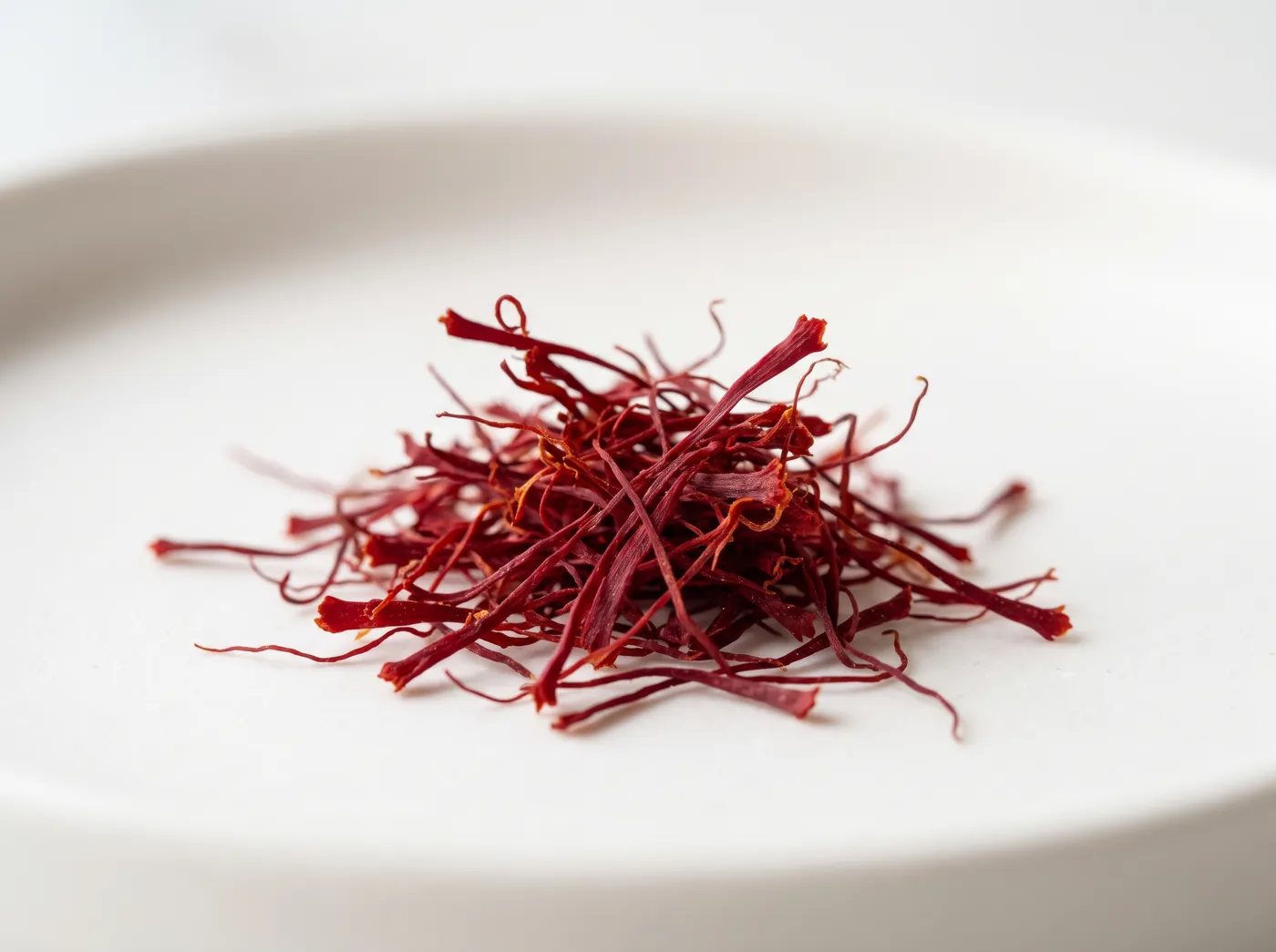
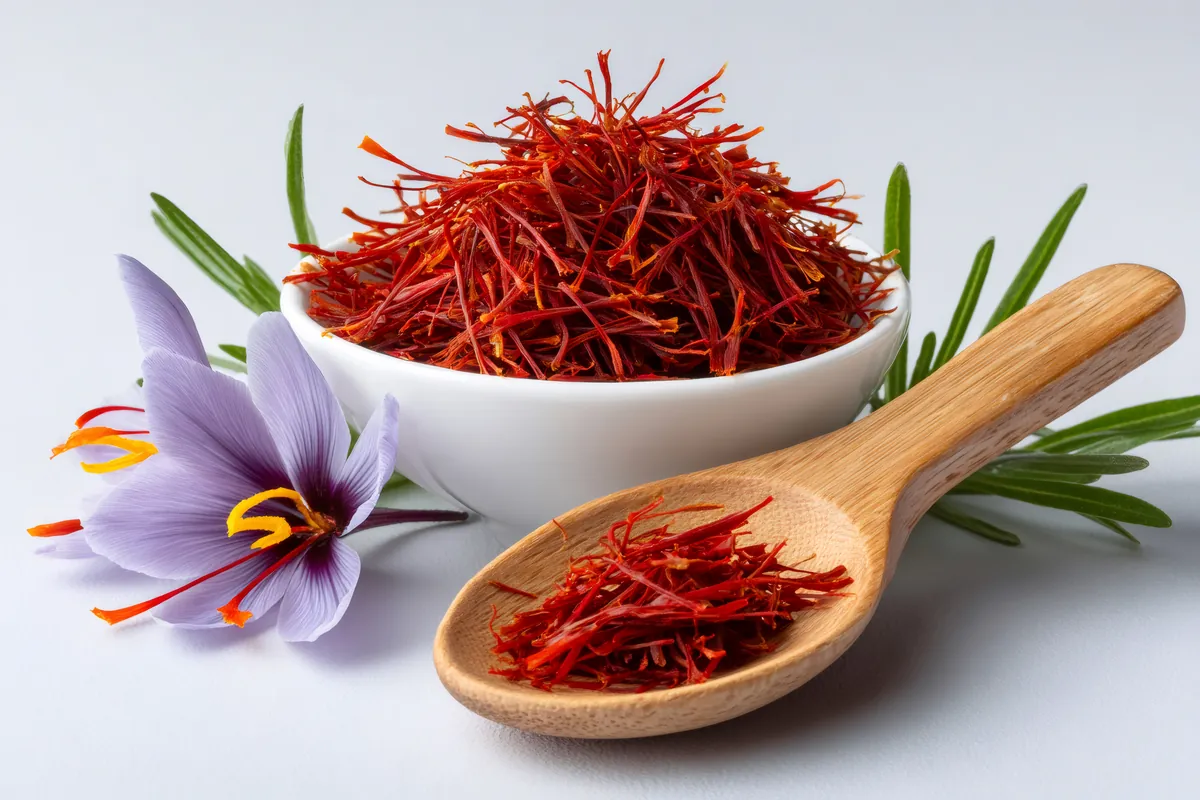
The longest, thickest whole red threads, cut clean of the style and sorted by hand. The top selection by thread.
- Colour
- All red
- Threads
- Long and whole


Why Super Negin?
Saffron is sold in grades, and the grade tells you what part of the flower you are paying for. Here is what the names mean, what a lab test adds, and how to check what is in your jar.
Where it comes from
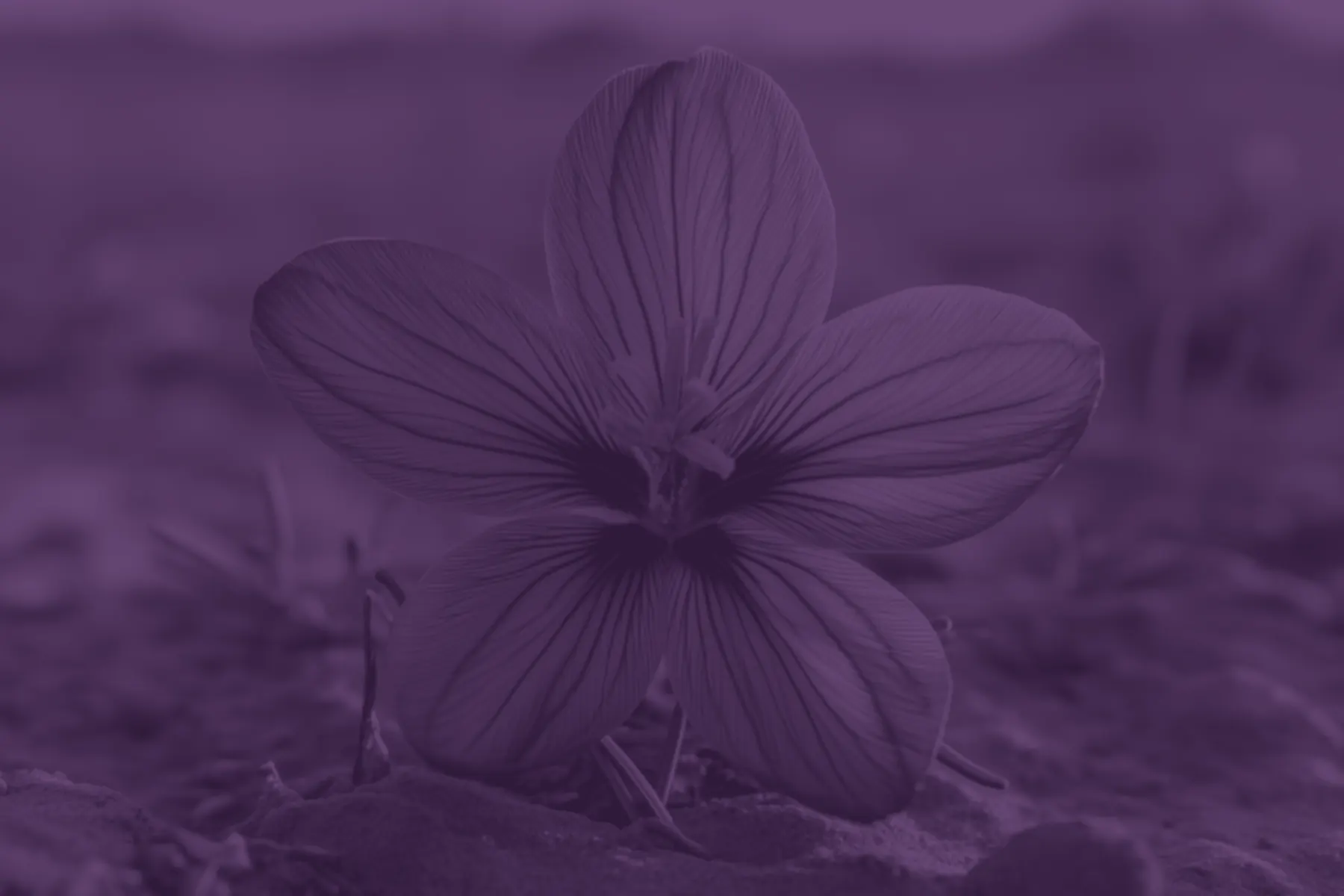
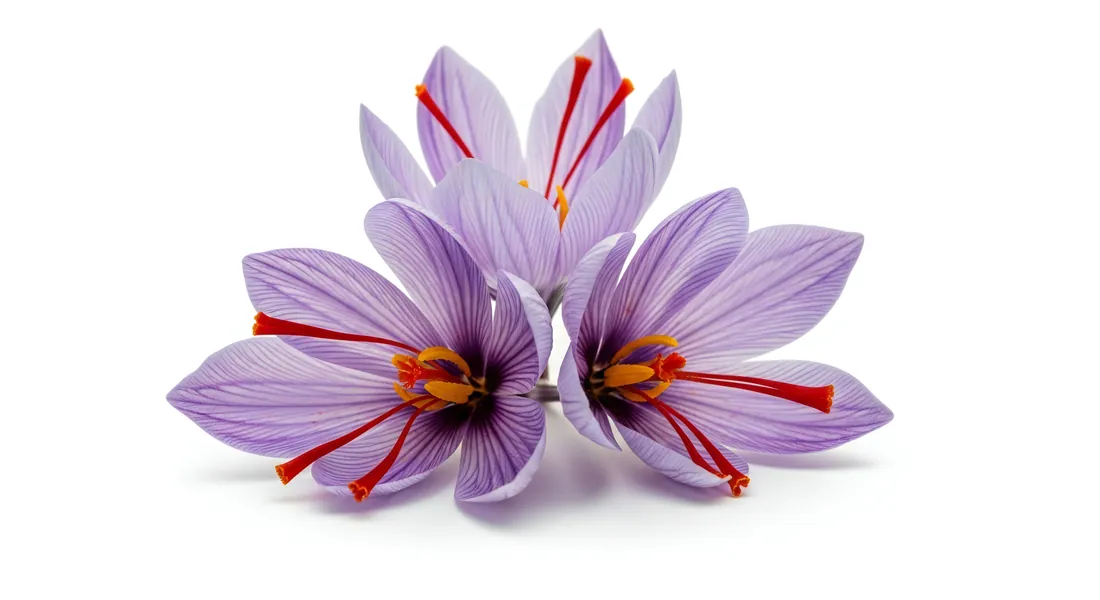
Saffron is the dried stigma of the saffron crocus, Crocus sativus. Each flower carries three red threads, joined at the base by a pale yellow style.
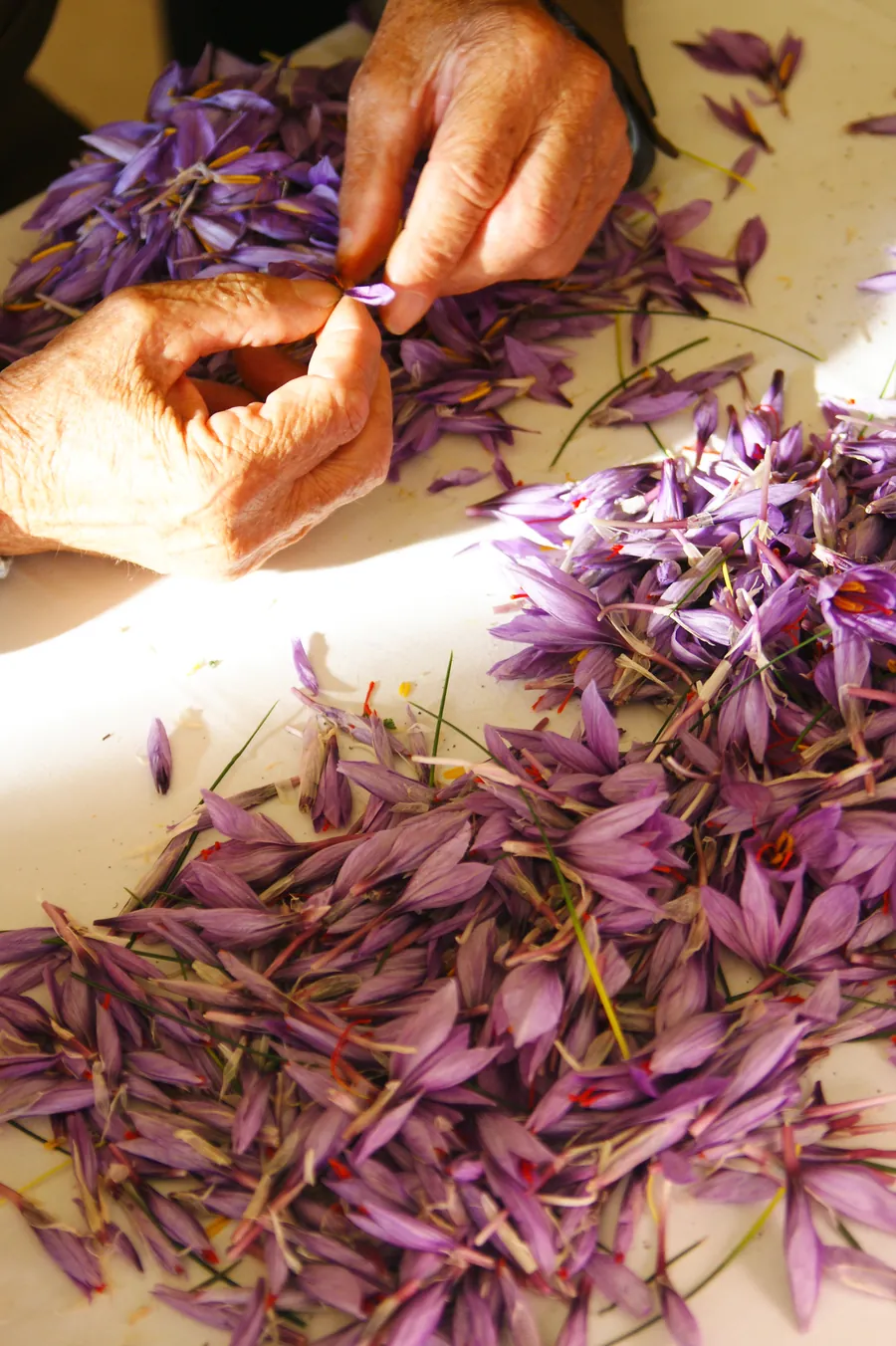
The crocus flowers for a few weeks in the autumn. The flowers are picked by hand, the threads are separated from each one by hand, and then they are dried.
The Persian grades
Persian saffron is graded by how the threads are cut and sorted. The red stigma carries the colour, taste and aroma. The yellow style adds weight, but very little else.
The longest, thickest whole red threads, cut clean of the style and sorted by hand. The top selection by thread.
All red, cut clean of the style, but shorter threads, and often broken pieces in the mix.
Red threads with some of the yellow style still attached. More weight on the scales, with less colour and taste.
You may also see bunch (or dasteh) saffron, the whole thread with its style tied in a bundle, and konj, the yellow style on its own.
The lab test
The thread grade describes what you can see. A laboratory test under the international standard ISO 3632 measures what you can taste and smell, and sorts saffron into categories, with category I the highest.
The certificate figures for our current batch are not available yet. We will publish them on this page when they are, rather than quote numbers we cannot show you.
The bloom test
Real saffron gives up its colour slowly. Drop a few threads into a glass of warm water and watch. It is a good kitchen check against dyed saffron, not a lab test of grade.
A few threads into warm water. The water is clear, with red threads at the bottom.
Gold halos form under each thread and slowly begin to spread.
The water is a deep, even gold. The threads themselves are still red.
This short film illustrates blooming. It is not a timed test.
Buying well
Not every disappointing jar is fake. Some is simply a lower grade, or old. These are the signs worth knowing.
Dyed threads turn warm water orange-red within seconds, then fade towards white. Real threads release gold slowly and stay red.
A real thread is thin at one end and opens into a small trumpet at the other. Safflower petals look flat and frayed; corn silk is fine, curly and pale.
Yellow or white ends mean the style is still attached. That is fine in Pushal, but it should not be there in anything sold as Super Negin.
Old saffron looks dull and brownish and smells of very little. It is not fake, but most of what you paid for has faded.
We sell one saffron, and we chose the top grade, so there is nothing to explain away.
Vivid Saffron
Keep exploring
Grade A Persian Super Negin, handpicked in Iran and posted from the UK.